
A cultural institution becomes vital to a city when people use it for reasons beyond those printed on the brochure. The museum may have exhibitions, but it also provides a lobby where people meet. The library houses books, but it serves as one of the few remaining indoor spaces where a citizen can exist for hours without the requirement to consume. A gallery exhibiting art becomes a classroom, a neighborhood landmark, an archive, and an entry point into a broader creative scene.
The strongest institutions are not simply containers for culture; they are the infrastructure that sustains it.
Beyond the Destination Model
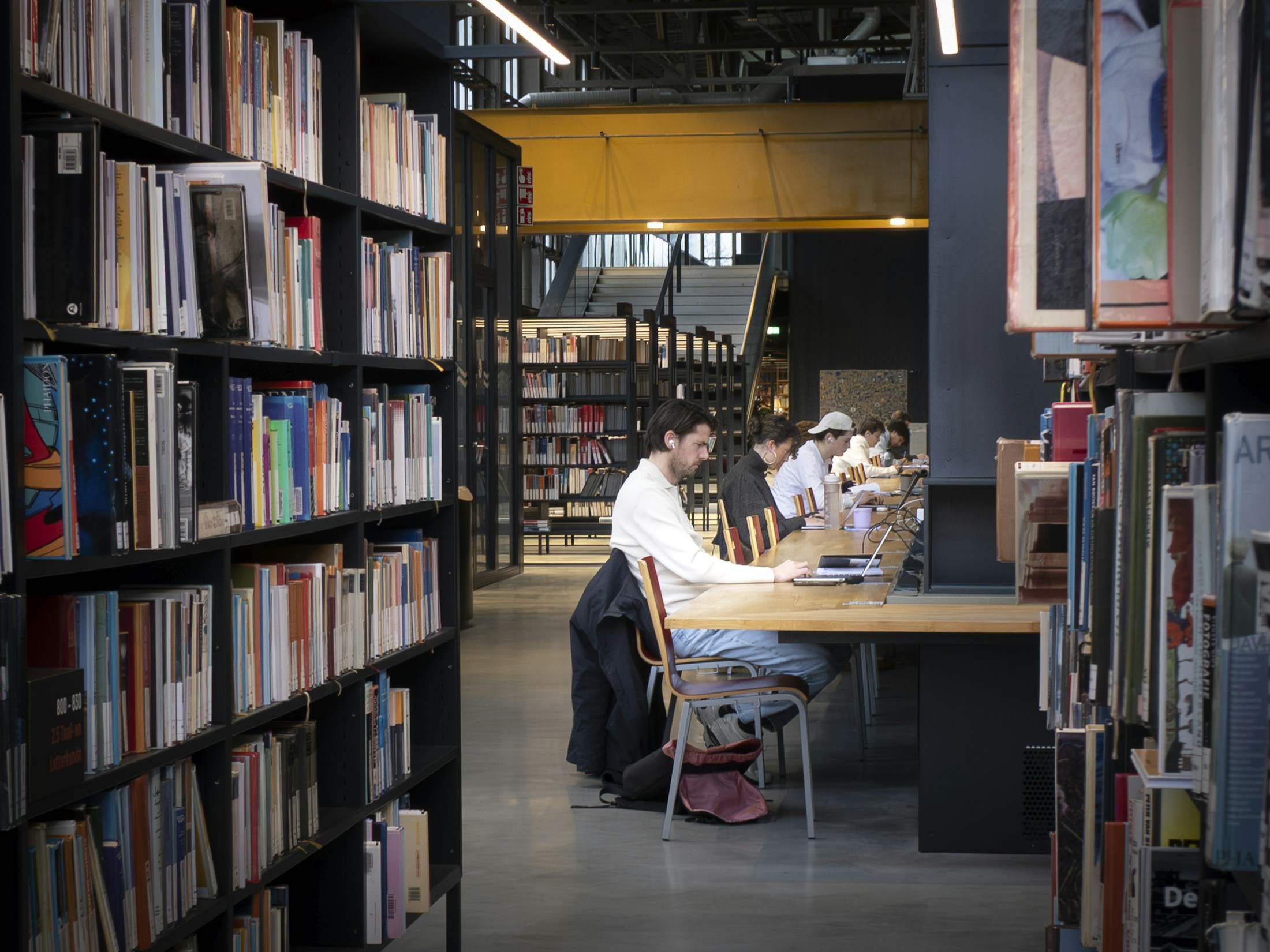
Many institutions are still designed around a singular, fleeting transaction: arrive, see the program, leave. But the spaces that become true civic anchors support a wider range of human behavior. People sit. They talk. They study. They bring children. They return without a major exhibition as a pretext. This shifts the institution from a destination into a habit.
Habits matter because culture gains durability through repetition. A visitor who walks through a museum once on vacation may remember the show. A teenager who spends years using a library—attending workshops, seeing local work, and meeting peers—builds their identity around that place. The building itself is part of the program.
The Architecture of Welcome
Institutions often fixate on their public-facing output: the lecture, the collection, the calendar. Yet, visitors experience the space long before they reach the art. Can they sit comfortably? Is the entrance legible? Does the security posture signal welcome or suspicion? Are there free hours that reflect the city's schedule? These details are not merely operational; they are curatorial. They determine who feels entitled to return. Access is not just a ticket price; it is the entire emotional and physical path into the building.
Institutions as Memory Systems
One of the most profound roles of a cultural institution is to remember what the market chooses to forget. Commercial platforms naturally favor the current, the viral, and the easily distributed. Institutions must preserve work whose significance reveals itself only with time. This responsibility must extend beyond the canon.
Neighborhood photographs, flyers, oral histories, demo recordings, and ephemera are the evidence of a cultural moment. If an institution does not decide these are worth preserving, entire scenes vanish from the record. An archive is never neutral; what gets saved dictates the history future generations will inherit.
From Presentation to Production
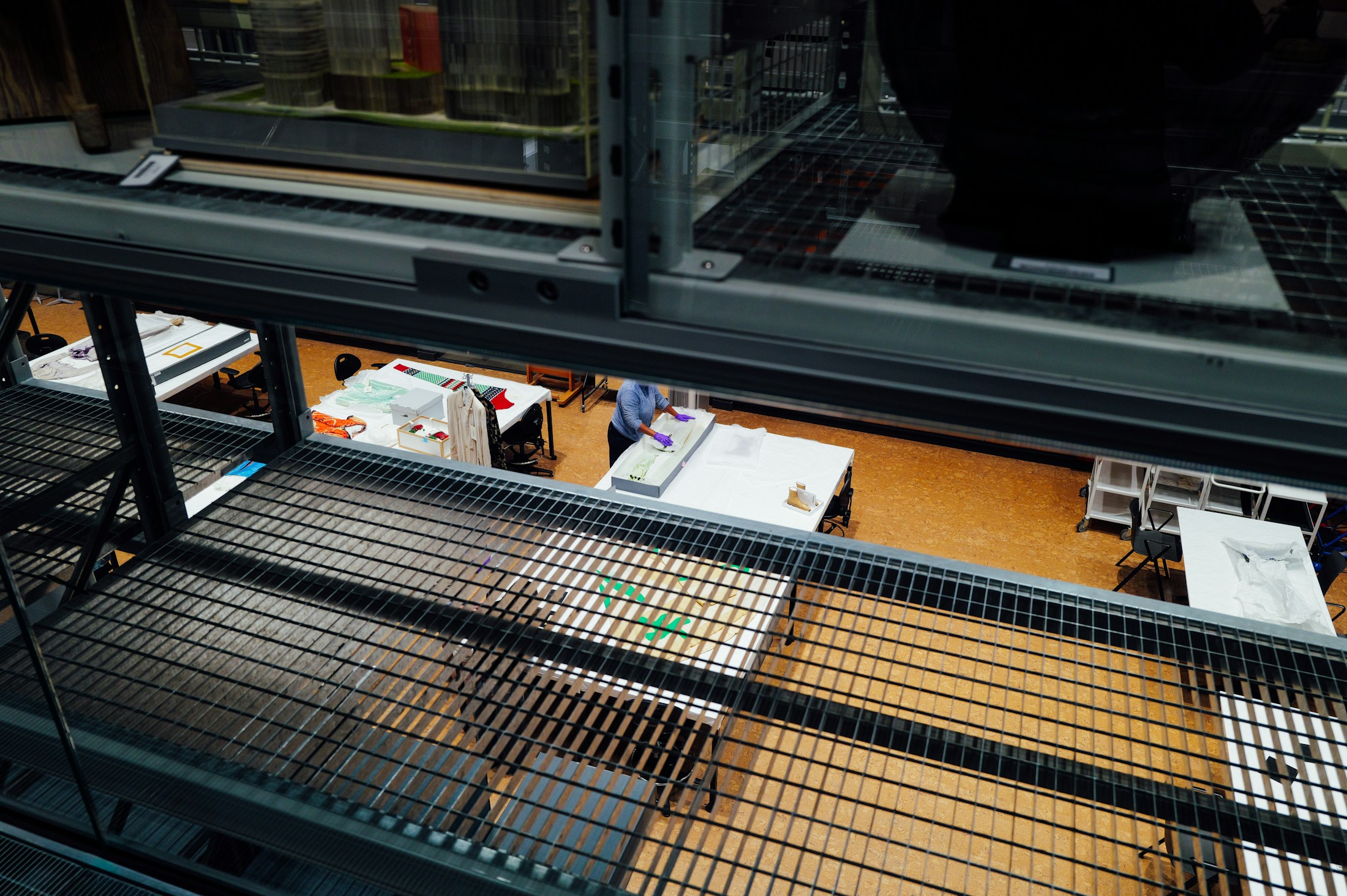
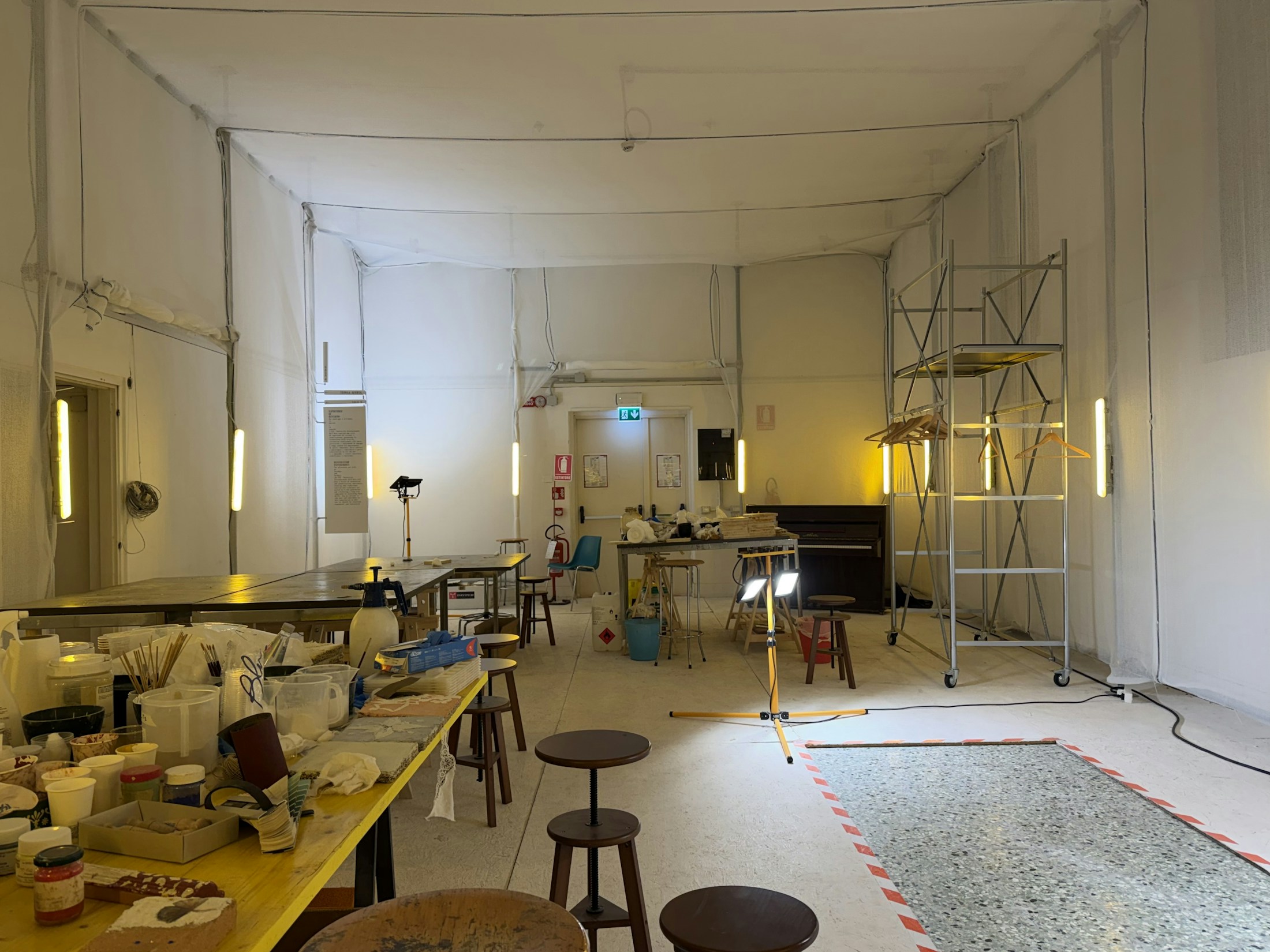
Museums, galleries, and libraries need not be restricted to showing finished objects. They can host the conditions that make new work possible: studios, residencies, research access, and fabrication space. Creative ecosystems require more than stages; they need places where unfinished ideas can exist long enough to mature. When institutions support production, audiences gain access to process. They witness the labor, the collaboration, and the trial-and-error that exist behind the final, polished work.
Anchors and Displacement
Cities frequently utilize culture as a development strategy, leveraging a new wing or a creative campus to attract real estate investment. But if the surrounding artists and residents find themselves pushed out, the institution has failed to anchor the community; it has merely helped repackage it. A real anchor increases local capacity. The test is simple: as the institution becomes more successful, does the ecosystem around it become more resilient? If the answer is no, it is not an anchor; it is a monument to its own growth.
A Public-Facing Future
The future cultural institution will continue to protect extraordinary ideas, but it will measure its civic value by what it enables in the world outside its walls. Can a young person see a path into a creative life? Can a local historian find resources? Can people gather without being treated as consumers? A landmark is something people point at. An anchor is something people build around.
Featured photograph: adam roye / Unsplash; visitors moving through a museum gallery.


