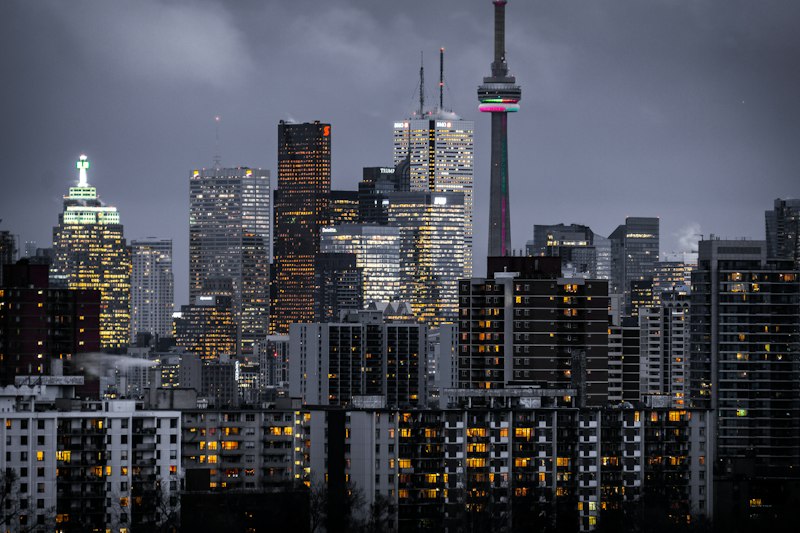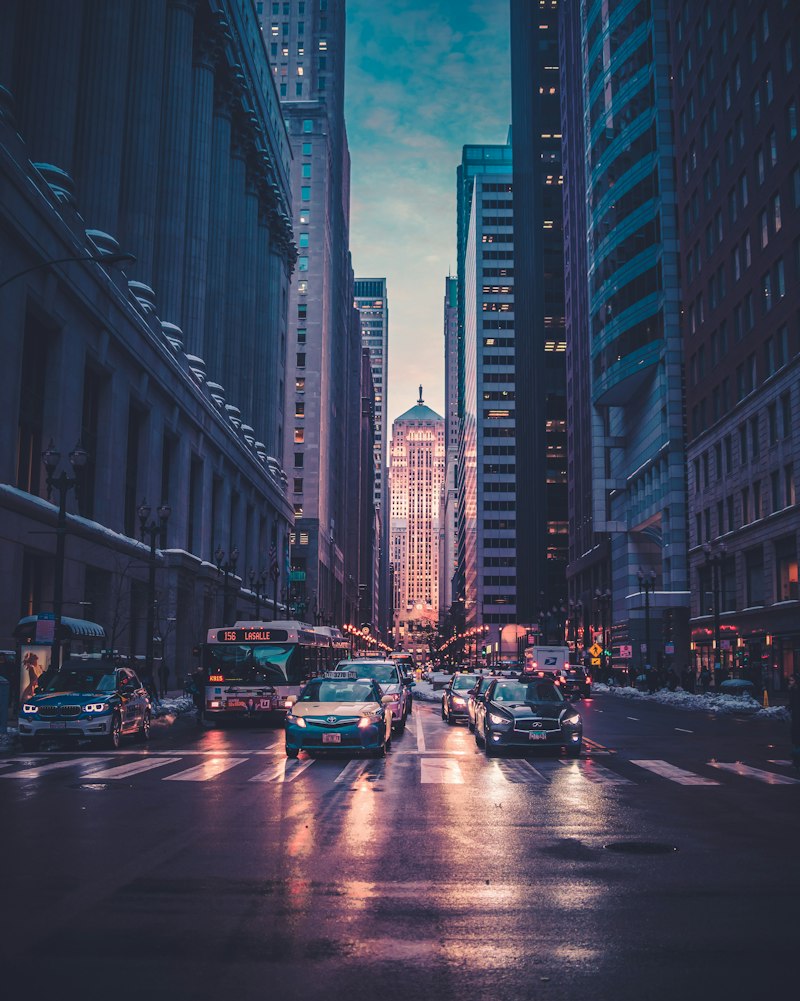
Creative cities rarely announce themselves. They accumulate. They form where talent, space, infrastructure, and local ambition begin reinforcing one another. A few people decide that leaving is less interesting than building. An industrial building gets divided into studios. A small venue starts booking the acts nobody else understands yet. Designers begin working for one another before they have budgets to hire agencies. A restaurant, record shop, gallery, or neighborhood bar becomes the unofficial office. Then the outside world notices and calls the place “emerging,” usually several years after the people on the ground already knew.
That delay matters. By the time a city becomes a lifestyle story, much of the opportunity has already changed shape. Rent is higher. The visual language has been exported. The people who created the scene are suddenly competing with people who arrived because they read about the scene in a magazine.
This is not a ranking of the “coolest” cities in 2026. It is a watch list for a different question: where are creative people, physical space, local identity, and new economic infrastructure beginning to reinforce one another? We're looking for self-sustaining ecosystems, not real estate marketing opportunities.
Detroit: Legacy without nostalgia
Detroit has been “rediscovered” so many times that the word feels reductive. The city never stopped producing culture. Its influence on music, design, manufacturing, and Black American aesthetics is too deep to fit inside a simple comeback narrative.
What makes Detroit compelling now is the possibility of building forward without erasing that inheritance. There is still a functional relationship between making things and imagining things there. Industrial history is not just background architecture; it creates a vocabulary of fabrication, engineering, repetition, and scale. For artists and independent brands, that infrastructure matters. A place with a deep memory of production can support a creative economy that aspires to become more than just digital content.
Baltimore: Culture with its own accent
Baltimore possesses one of the qualities I value most in a creative city: it does not need to pretend to be somewhere else. Its visual language, music, rowhouse geography, art-school energy, and neighborhood identities create friction rather than polish. And that friction is productive.
Creative economies become fragile when every district starts resembling the same handful of “successful” global neighborhoods. Baltimore’s opportunity is the inverse. Its strength is its hyper-specificity. The challenge is whether investment can support that specificity without sanding it down into a generic, sanitized version of urban revival.
Newark: Proximity becoming identity
For years, Newark was defined through proximity—close to New York, connected by rail, useful because of its airport. That is changing. A city becomes creatively important when it stops functioning as a satellite and begins telling its own story.
Newark already has the ingredients: major cultural institutions, universities, a deep music history, and a dense regional audience. More importantly, it sits inside a North Jersey creative corridor that is larger than outsiders typically recognize. The opportunity here is not to become a "Brooklyn west of the Hudson." It is to build a model that feels unmistakably like Newark.
Tbilisi: Small-city intensity
Tbilisi demonstrates how cultural influence does not require global-city scale. Fashion, nightlife, music, design, and architecture become mutually reinforcing when a relatively small scene is dense enough for disparate disciplines to collide.
That intensity is part of the appeal, but it also reveals the vulnerability of emerging scenes. Political pressure, economic instability, and the unpredictable arrival of outside capital can change the conditions that made experimentation possible. The lesson here is not to romanticize precarity, but to observe how much cultural power can come from tight networks when people have spaces to meet, work, and test ideas.
Medellín: Infrastructure as cultural signal
Medellín is a vital test case because its creative identity can't be separated from the physical city. Mobility, public space, and urban design have been central to the way the city has presented its transformation to itself. It serves as a benchmark for the next phase of creative-city thinking: culture can't simply be painted on top of development.
If new restaurants, studios, and hotels arrive while the people who gave neighborhoods their initial identity are pushed outward, the city may gain global attention while losing the very thing that made it worth watching in the first place.
The real signal is not hype
The pattern connecting these places is not cheap rent. Cheap rent helps, but affordability alone does not produce culture. Neither does a new arts district, a tax incentive, or a mural program. The real signal is a loop: creators can afford to stay long enough to build; local businesses provide places to gather; institutions provide resources without controlling the scene; and, crucially, some of the value created by culture remains with the people creating it.
That last point is the one cities routinely miss. Creative people are often treated as the advance team for real-estate appreciation. They make a neighborhood legible, desirable, and culturally alive, then discover that their own success has priced them out of the experiment. The creative city of the future needs a better bargain. It needs ownership, long leases, small commercial spaces, and ways for artists to participate in the upside they help create. A scene is not valuable because the world eventually notices it. It is valuable because people have built a world worth noticing.