
Featured photo: A classical facade sits beneath a cluster of modern glass towers. Photo by Chris Ghinda / Unsplash.
The easiest way to make a city look new is to erase what was there. Clear the block. Replace the facade. Rename the district. Install the same materials, retail concepts, and development language that worked somewhere else. It is a sterile, efficient, and ultimately hollow exercise in flattening the urban landscape.
The harder approach—and the only one that yields genuine urban vitality—is to build forward without losing the evidence of how a place became itself. That tension between heritage and innovation is the true laboratory of urban design.
History is More Than Preservation
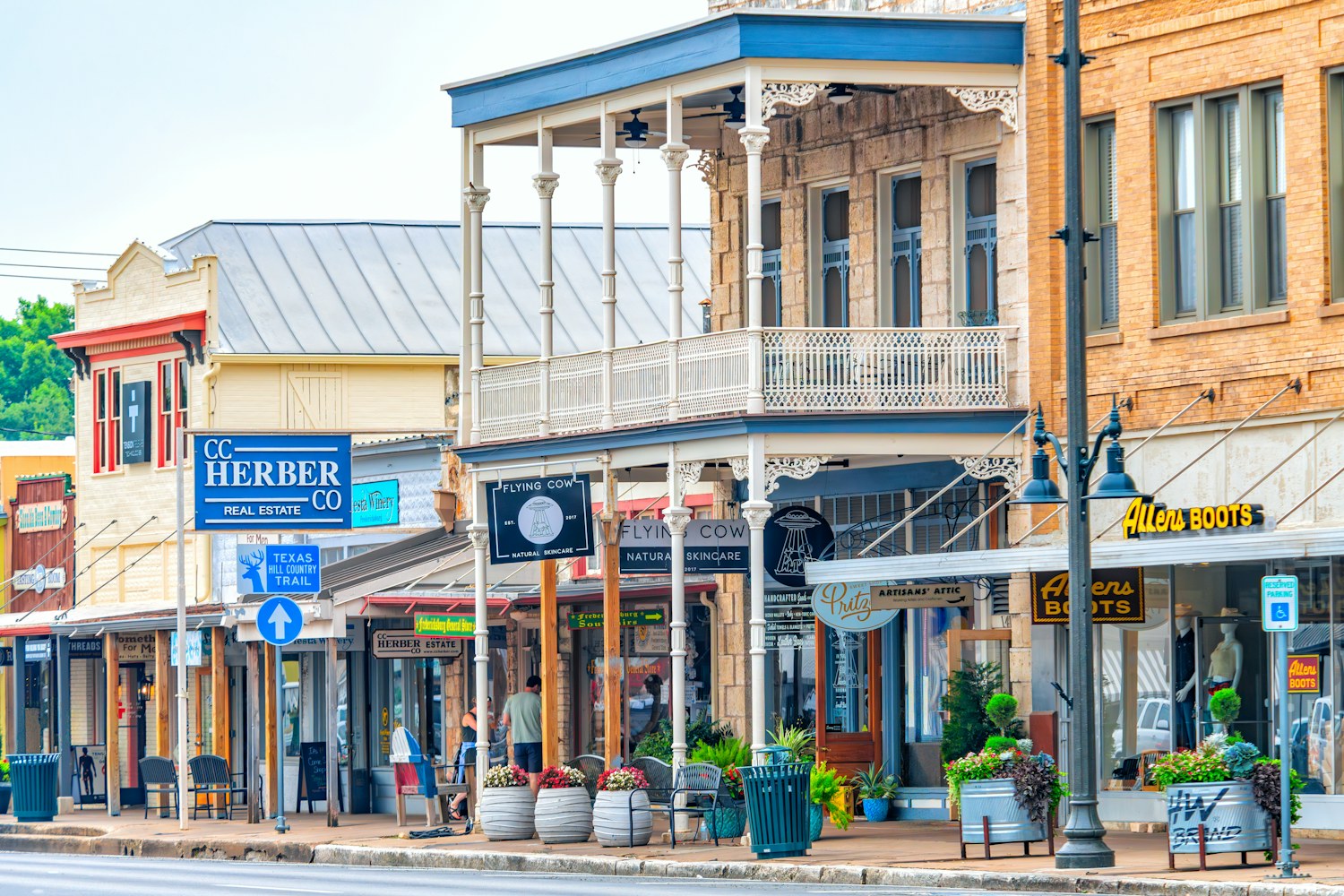
We often frame preservation as a static act: saving important buildings from the wrecking ball. That matters, of course, but heritage is far more expansive than architecture. It lives in the rhythm of storefront dimensions, the cadence of street names, the legacy of music venues, the industrial remnants, family-run businesses, and the informal rituals of a block that will never appear on a historic register.
A city can keep a pristine, beautiful facade and still hollow out the culture that once occupied it. Preserving heritage requires us to ask what relationships, memories, and forms of access must survive alongside the physical structure. True stewardship recognizes that a city is a living archive, not a museum exhibit.
Old Buildings as Future Infrastructure
Adaptive reuse is powerful because it keeps history functional. A warehouse can transition into studios; a school can become housing; an industrial site can support fabrication or public programs. These old structures bring proportions, materials, and a gravitas that would be prohibitively expensive—or entirely impossible—to recreate with modern methods.
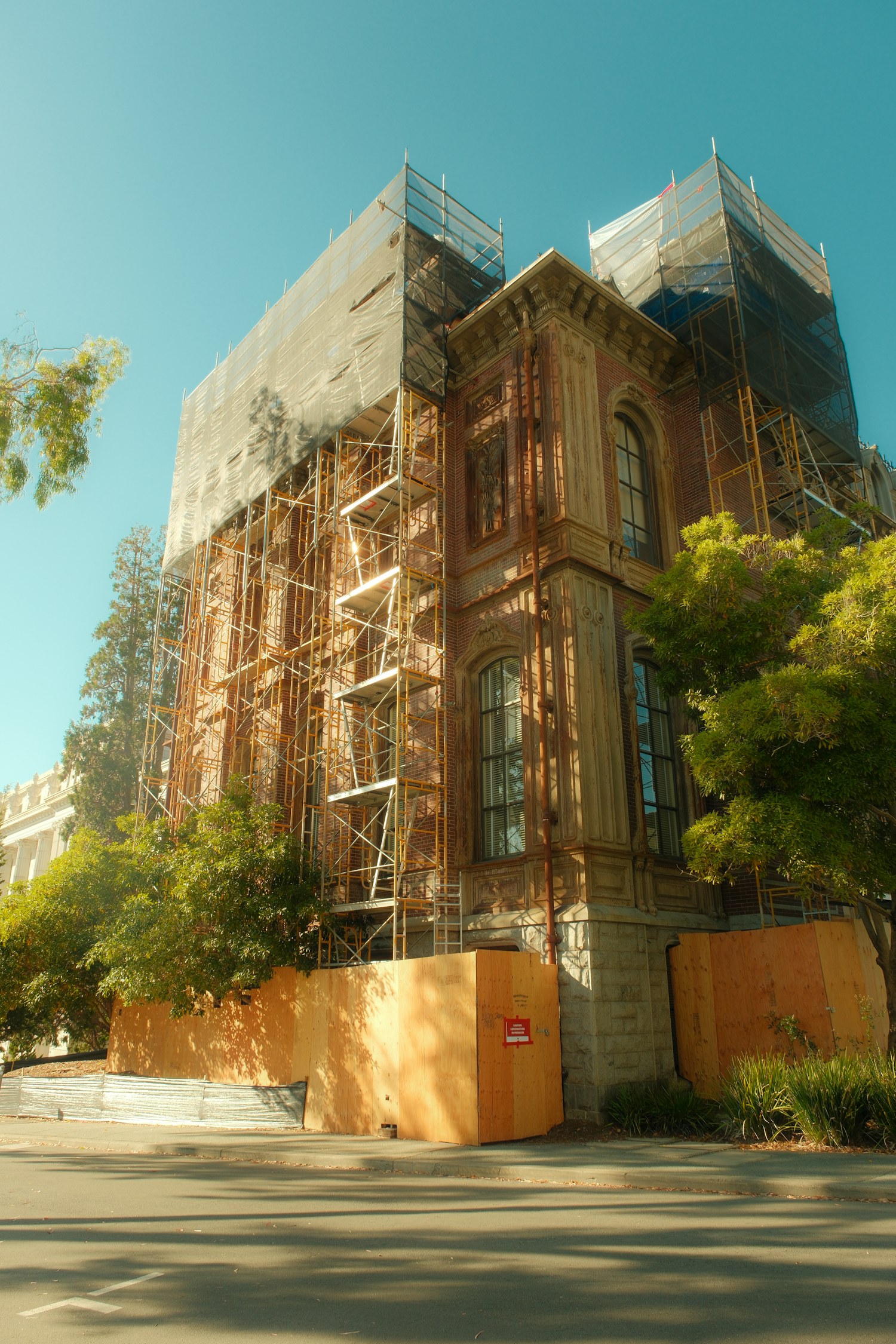
The goal is not to freeze buildings into monuments, but to grant them another useful chapter. This is a design problem, not a nostalgic one. It forces the architect to work within constraints that, when engaged creatively, often lead to more interesting outcomes than a blank, suburban-style plot.
Innovation Requires a Local Vocabulary
Too much new development arrives with a globally recognizable, flavorless aesthetic. We see the same clean glass, the same neutral interiors, and the same handful of visual signals intended to communicate "premium" from Berlin to Bangkok. There is undeniable efficiency in that language, but there is a massive cultural cost.
The strongest projects learn from local proportions, regional materials, and existing patterns of public life. They don't just mimic the past; they extend it. Innovation should add to the city's vocabulary rather than replacing the language entirely. It requires the confidence to engage with the specific climate and craft of a place rather than importing a generic, placeless blueprint.
Whose History Remains Visible?
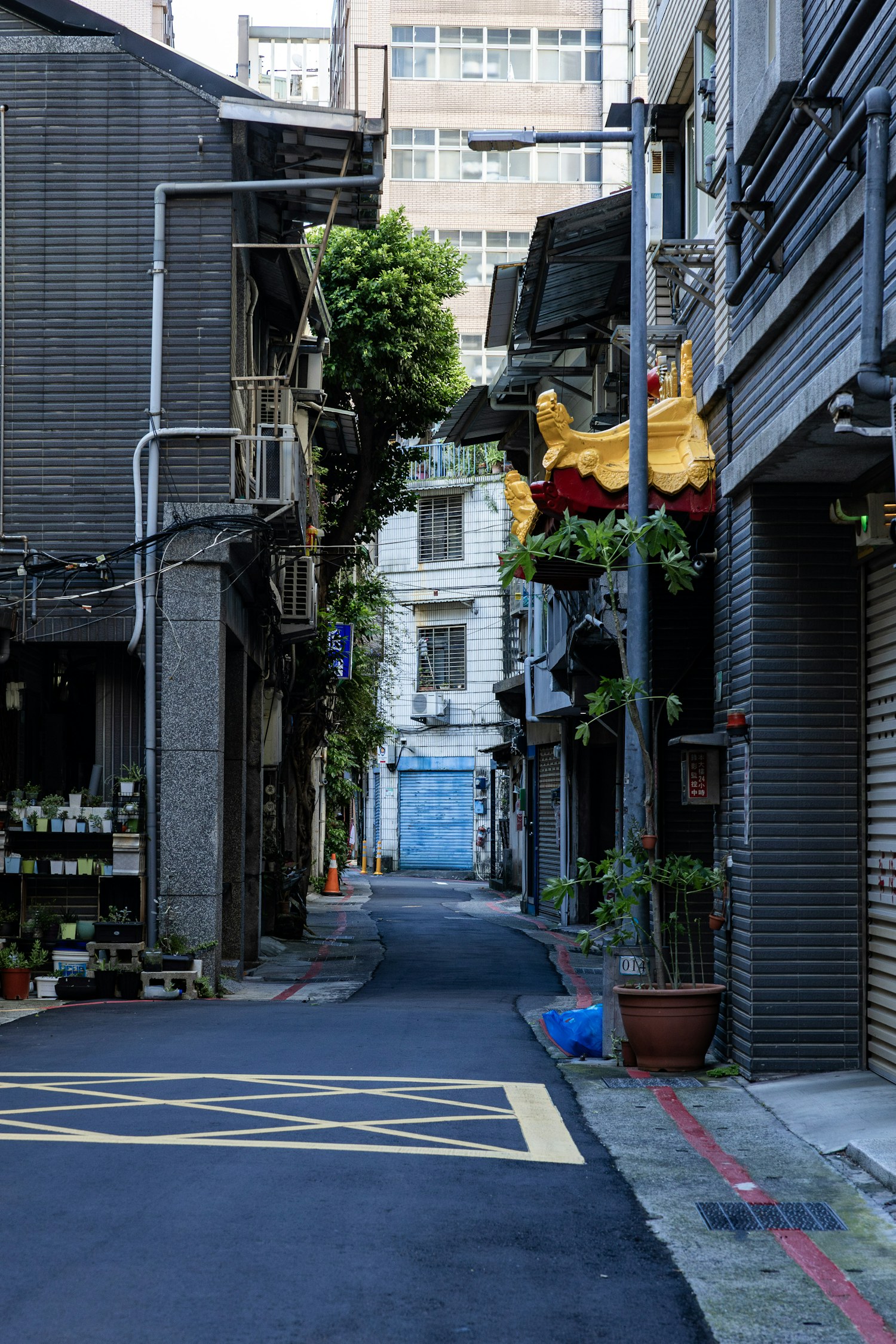
Heritage is inherently political because cities contain competing memories. Historically, preservation has favored monumental architecture—the institutions with the power and capital to document themselves. Working-class spaces, immigrant businesses, independent venues, and temporary scenes are much easier to erase because their significance is social rather than architectural.
A serious, future-facing city must expand the definition of what constitutes heritage. Sometimes the artifact is a building. Sometimes it is a sign, a recipe, a sound, or the continued presence of a community that has persisted long enough to anchor the neighborhood. If we only preserve the monumental, we only tell the story of the powerful.
The Future Needs Ancestry
I'm not interested in cities becoming museums. They need new housing, new technology, and room for the people who have not arrived yet. Change is not the enemy—amnesia is.
The places with the deepest identity are almost always those where multiple eras remain visible at once. You can feel the ghost of what a space used to be while navigating what it has become. New culture does not have to pretend it appeared out of nowhere on empty land. That layered, complex quality is impossible to manufacture after the fact. The most compelling urban future won't be one that looks untouched by history. It will be one confident enough to let history remain visible while something genuinely new grows through the cracks.


