
Featured photo: A colorful umbrella canopy over a pedestrian street. Photo by Karla Sofía Vargas Vargas / Unsplash.
A parking lot is a curious manifestation of urban certainty. It is a vast, expensive stretch of land meticulously engineered to remain mostly empty, waiting for a vehicle to occupy it. For decades, we accepted this as the default rhythm of the city. We carved wide, lifeless gaps into our neighborhood fabrics to facilitate driving, then expressed confusion when those same districts felt too hollow to walk, linger, or foster the spontaneous street life that makes a city feel lived-in.
We're currently witnessing a necessary pivot: a realization that these voids are not permanent features, but rather underutilized assets that can be asked to perform different, more human-centric work.
Changing the Unit of Value
The transition begins by re-evaluating how we measure a plot of land. Historically, the value of a parking space was determined by vehicle turnover—the efficiency with which a car could arrive, park, and vacate. A plaza, by contrast, operates on a completely different metric: dwell time and social interaction.
When you strip away the requirement for car storage, the economic potential of the footprint shifts. Where a single stationary vehicle once sat for hours, that same square footage can support local commerce, modular seating, public art, or a simple place for residents to exist without a transaction. The objective moves from optimizing for the movement of machines to optimizing for the vitality of the human experience.
Prototyping the Commons
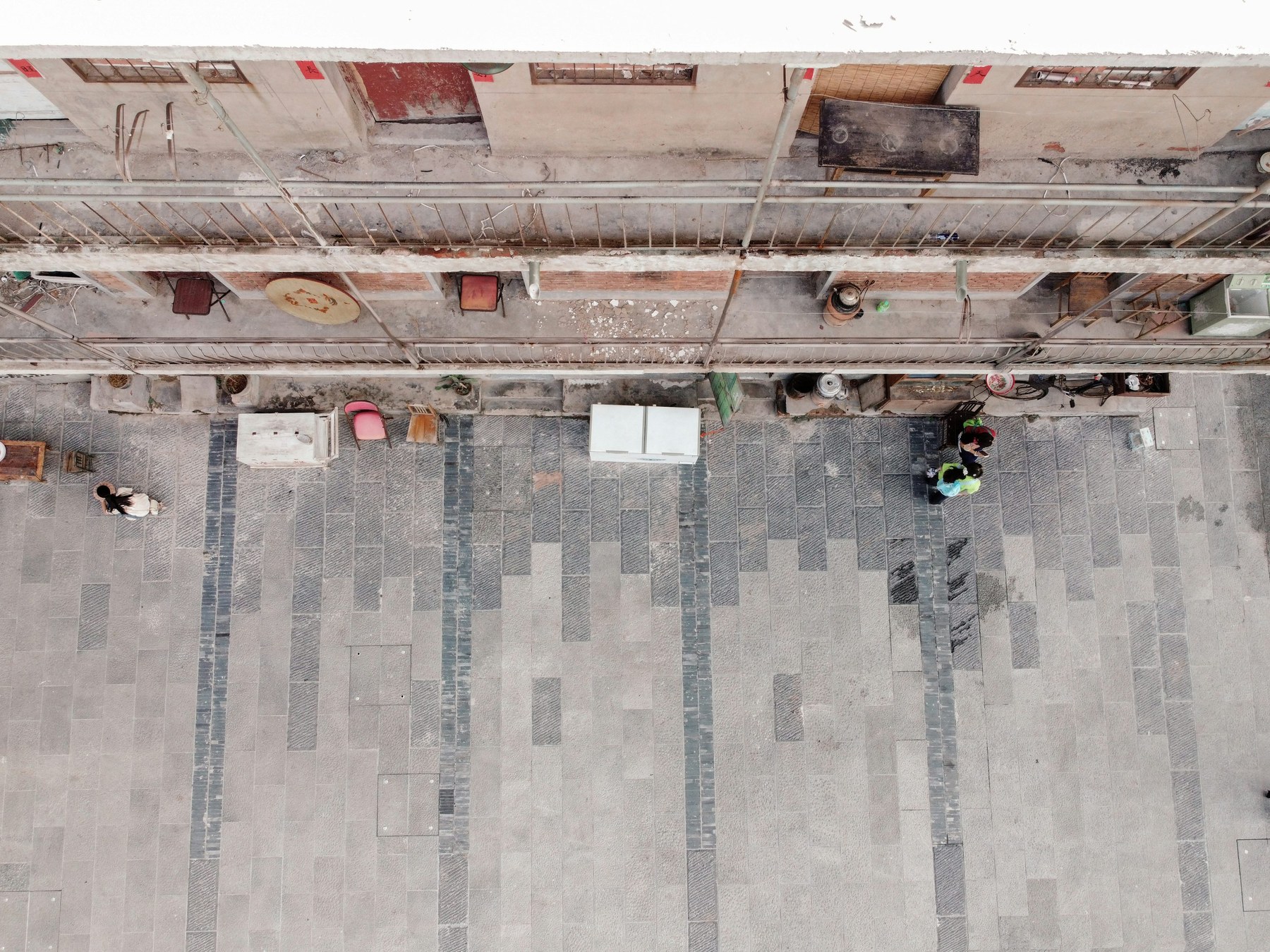
One of the most effective tools in this transition is the embrace of temporary urbanism. Cities often stall because the barrier to entry for permanent, capital-intensive construction is too high. Yet, using paint, planters, and movable furniture as a form of prototyping allows a community to interrogate the actual needs of a site before breaking ground on anything permanent.
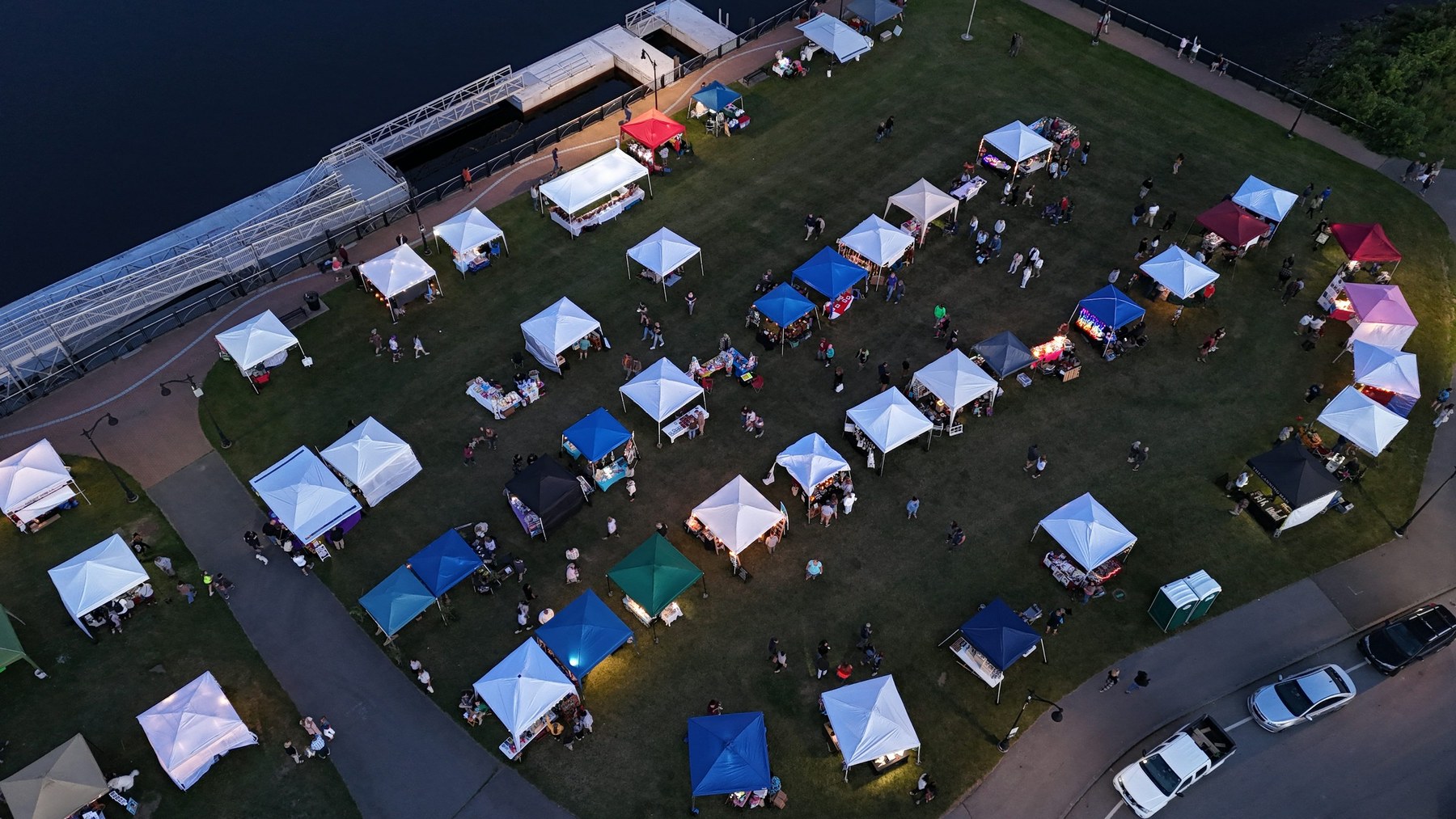
A temporary market can clarify whether a neighborhood has the density to support small businesses. A pop-up stage can prove that a specific corner functions better as a venue than an intersection. This approach treats urban design not as a static, top-down mandate, but as an iterative process—a way to listen to how people interact with the street before deciding what should be set in concrete.
The Pragmatics of Public Space
The most superficial reclamation projects treat these spaces as mere decoration—a splash of color, a solitary sculpture, or a few aesthetically pleasing chairs meant to look good in a photograph. This is a mistake. Real public infrastructure must be built for the reality of a Tuesday afternoon, not just the fleeting success of an opening festival.
A space only succeeds if it respects the daily friction of life: Does it offer shade for the elderly? Is it navigable for those with mobility aids? Is there a sense of safety after the sun goes down? Is there nearby access to essential amenities? A plaza that ignores these basic functional requirements will eventually be abandoned by the very people it was intended to serve.
Lowering the Barrier to Entry
Creative and cultural work often requires flexibility more than it requires high-end, formal real estate. A plaza serves as an essential lower rung on the professional ladder, offering a stage for performances or a home for markets that do not require the immense financial burden of traditional gallery or retail leases.
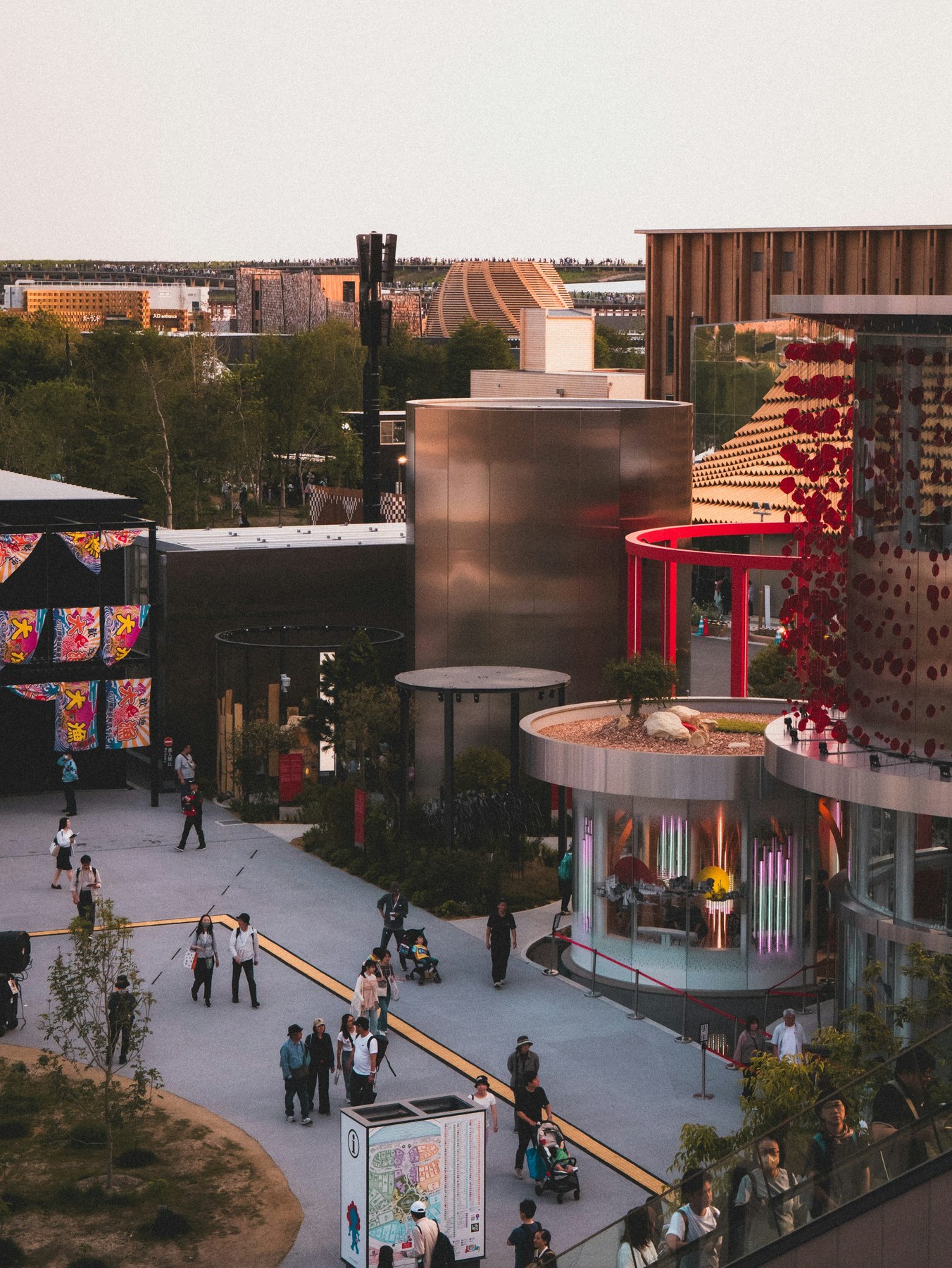
This is not a substitute for permanent cultural institutions, but rather a vital supplement. By providing low-friction space, cities enable independent creators and micro-entrepreneurs to test concepts, build audiences, and cultivate the local economy. It creates a landscape where creative participation is not limited to those who can afford high overhead.
Reclaiming the Urban Future
Acknowledging the potential of these spaces does not require a war on the automobile. Parking remains a logistical necessity in many contexts. The goal is to move past the assumption that every parking lot currently represents the highest possible use of that land.
Infrastructure should be as dynamic as the populations it serves. If we look at a lot and only see a place to store a car, we're narrowing the possibilities of our environment. But if we see that same space as a container for memory, trade, conversation, and the messy, beautiful evidence of life, we begin to treat the city as something we're collectively shaping, rather than just something we're passing through.





