Communities rarely gain substance because they have the most features or the slickest UI. They become meaningful because people learn the cadence of the place.
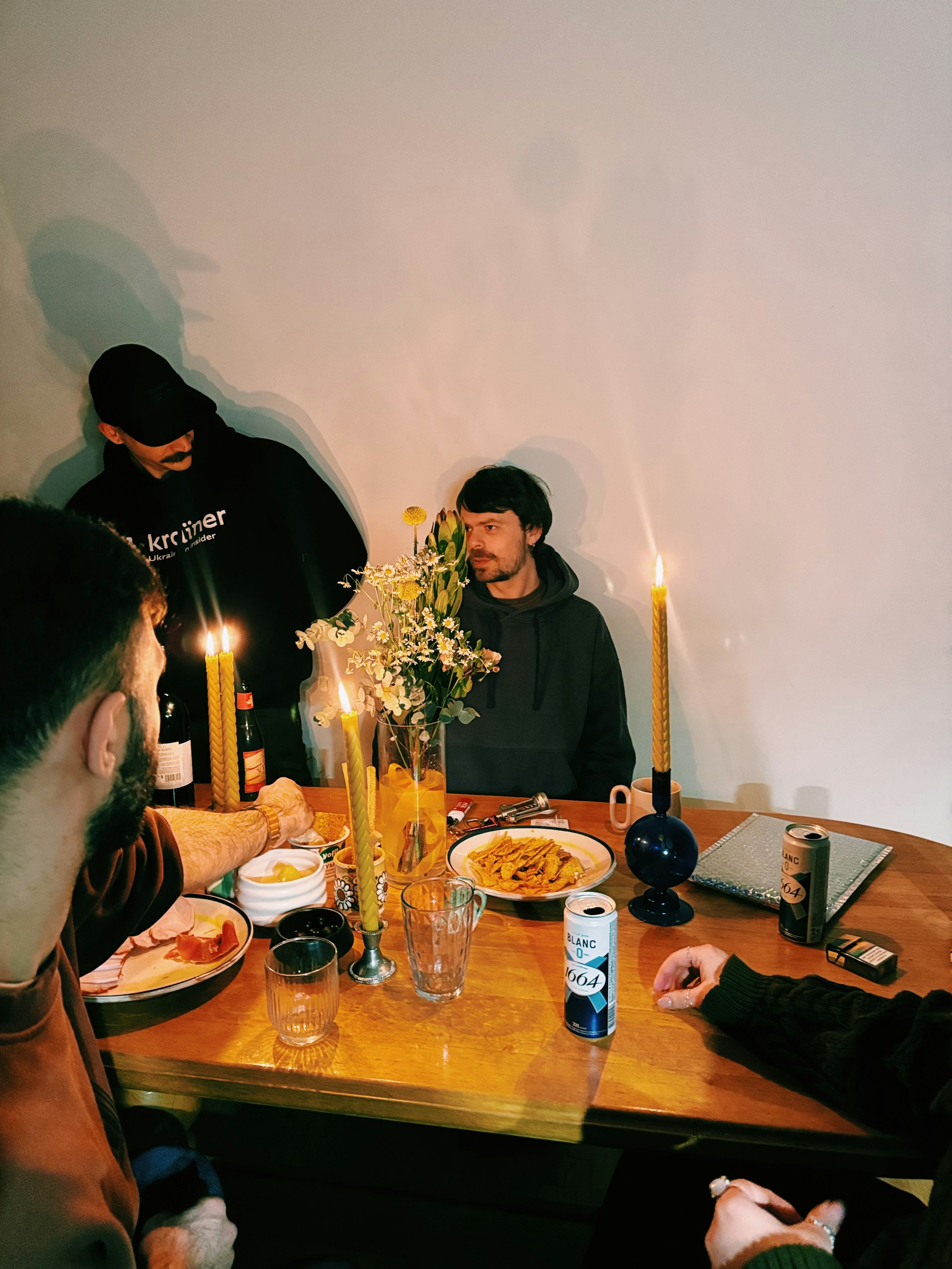
Friday nights have a specific weight. A monthly gathering becomes a fixed point in the calendar. A recurring phrase evolves into a shorthand—an inside reference that marks the border between observer and participant. Someone always brings the same bottle of wine, or prompts the same tired joke. New members learn these rhythms from the older ones, and eventually, the repeated behavior carries more weight, more history, and more identity than any logo ever could. This is the power of ritual, and it remains the most neglected facet of community design.
Ritual Turns Access into Belonging
You can grant someone access to a platform in seconds, but belonging is not an administrative status—it is a process of repetition. A login tells a person they are allowed inside; a ritual teaches them what being there actually signifies.
This is why the healthiest communities develop recurring practices: the weekly critique, the seasonal trip, the shared meal, the listening session, the simple check-in. The specific ritual matters less than its consistency. Repetition is the engine of memory, and memory is the bedrock of identity.
The Best Rituals Are Simple, Not Elaborate
Community builders frequently fall into the trap of over-designing participation. We clutter spaces with badges, onboarding prompts, and complex notification systems until the group feels less like a neighborhood and more like a corporate compliance module. An effective ritual is almost always simple enough to explain in a single sentence.
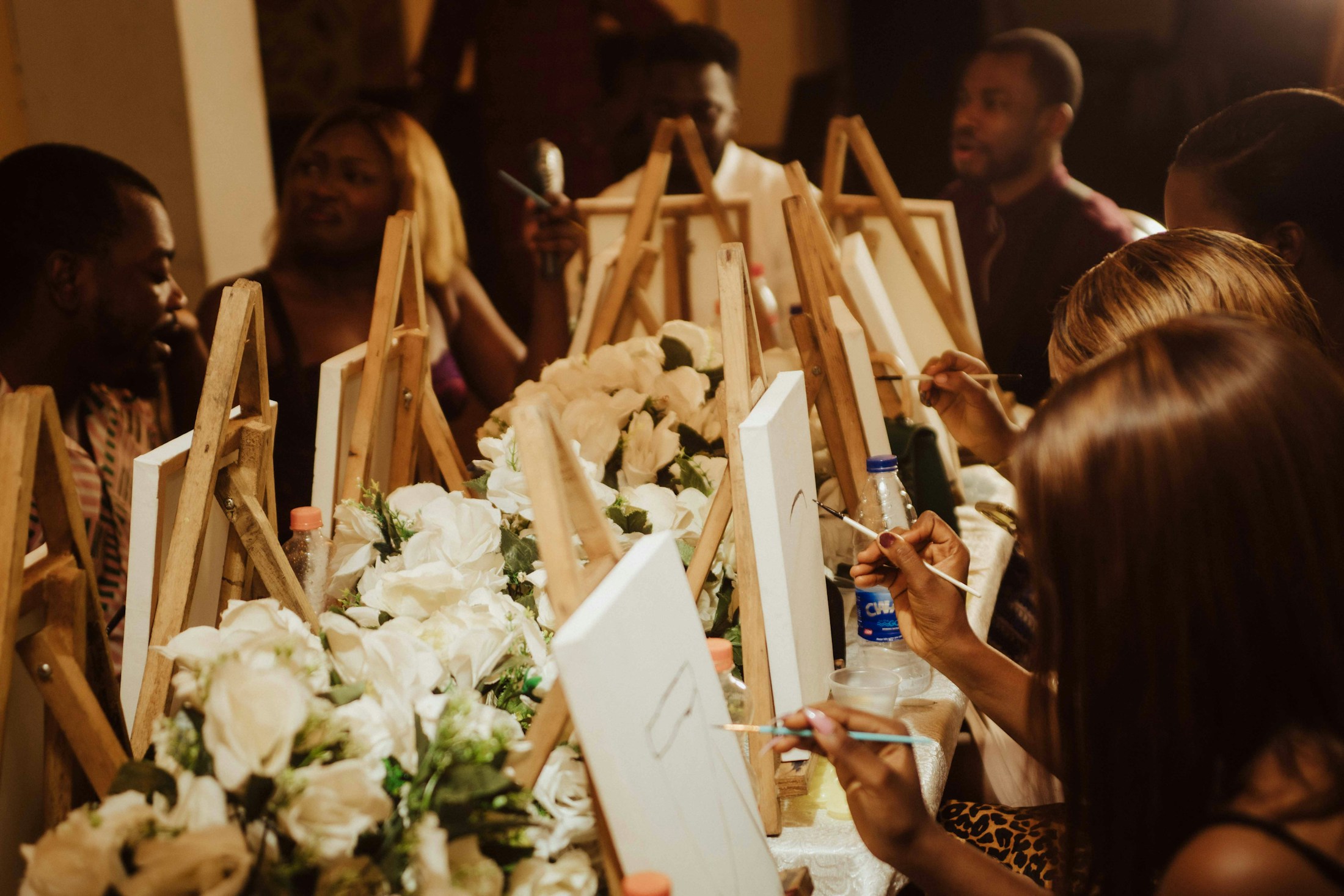
Every Friday, we watch something together. Once a month, members open their sketchbooks to show unfinished work. When a stranger joins, one veteran member introduces them. At the close of a project, the group debriefs. These simple structures lower the social anxiety of entry because they provide a script for interaction, removing the need for constant, heavy-handed moderation.
Digital Communities Need Physical Instincts
The most resilient online spaces borrow from the architecture of physical human interaction. A room requires a host. A dinner has a clear beginning and end. A club has regulars. A neighborhood has corners where people expect to run into one another.
Many digital products, however, view community as an endless, frictionless feed. In these spaces, everything is always available, nothing really starts, and nobody knows when they are expected to show up. Ritual restores time to these environments. It creates moments where attention overlaps. Whether it is a recurring prompt or a live event, the principle is identical: people connect more deeply when they occupy a shared moment rather than merely accessing the same database.
Ritual Should Emerge, Not Be Imposed
Forced traditions are unmistakable. If a community manager attempts to manufacture a “fun” ritual that doesn't align with the group's natural frequency, repetition will never make it meaningful. Genuine rituals reinforce behaviors the group already values.
The work of the designer is to observe what members do naturally. Which conversations keep returning? What gets celebrated without prompting? Which objects, phrases, or dates already carry internal gravity? Your job is to recognize those patterns and provide just enough structure to allow them to survive and scale.
Durable Culture Beyond the Campaign
Brands tend to think in terms of campaigns—shouts into the void designed to peak and fade. Communities think in seasons. A campaign is built for the new; a ritual is built to return.
This shift changes the underlying relationship. Members stop showing up solely for the next piece of content and start showing up because the participation itself has become a habit. For an independent platform, this is the ultimate defensive strategy. You no longer need to chase constant novelty if your members are invested in the rhythm of the place. The future of community will not be defined by whoever has the busiest feed, but by the spaces that create human-scale reasons to return, turning simple interactions into traditions that make the platform ours.
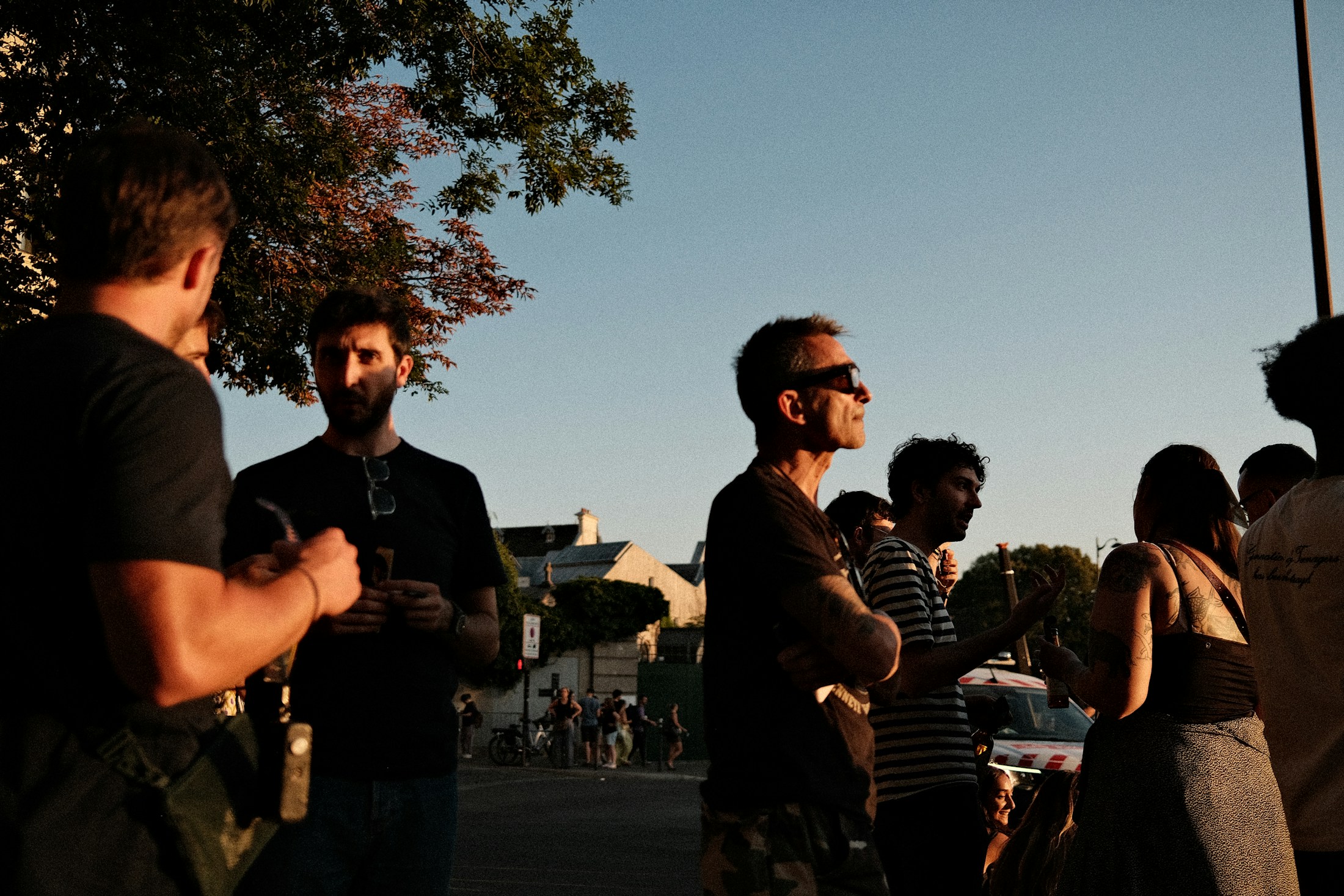
Featured photograph: tom depont / Unsplash; a crowd sharing a live music moment.