
Featured photo: The High Line connects trees and public space above a New York City street. Photo by Far Chinberdiev / Unsplash.
A linear park is rarely just a patch of grass. When we reclaim a derelict rail spur, a canal edge, or an abandoned transit right-of-way, we aren't simply adding landscaping; we're stitching together a fragmented urban fabric. These corridors act as connective tissue, turning disjointed city blocks into a singular, traversable experience. They invite residents to step out of their cars and into a human-scale rhythm, discovering commerce and community in places they previously sped past.
Movement as Urban Education
Traditional parks are destinations—static nodes of recreation. Green corridors are journeys, and that distinction is fundamental. When a park functions as a thoroughfare, it changes the city's cadence. You might use the corridor to commute, to cross between disparate neighborhood identities, or to stage a casual meeting. Because the design mandates motion, it functions as a sequential urban education. Walking the length of a well-planned corridor, you see the city as a narrative: how architecture shifts, how demographics blend, and how street life evolves block by block.
The Architecture of the Edge
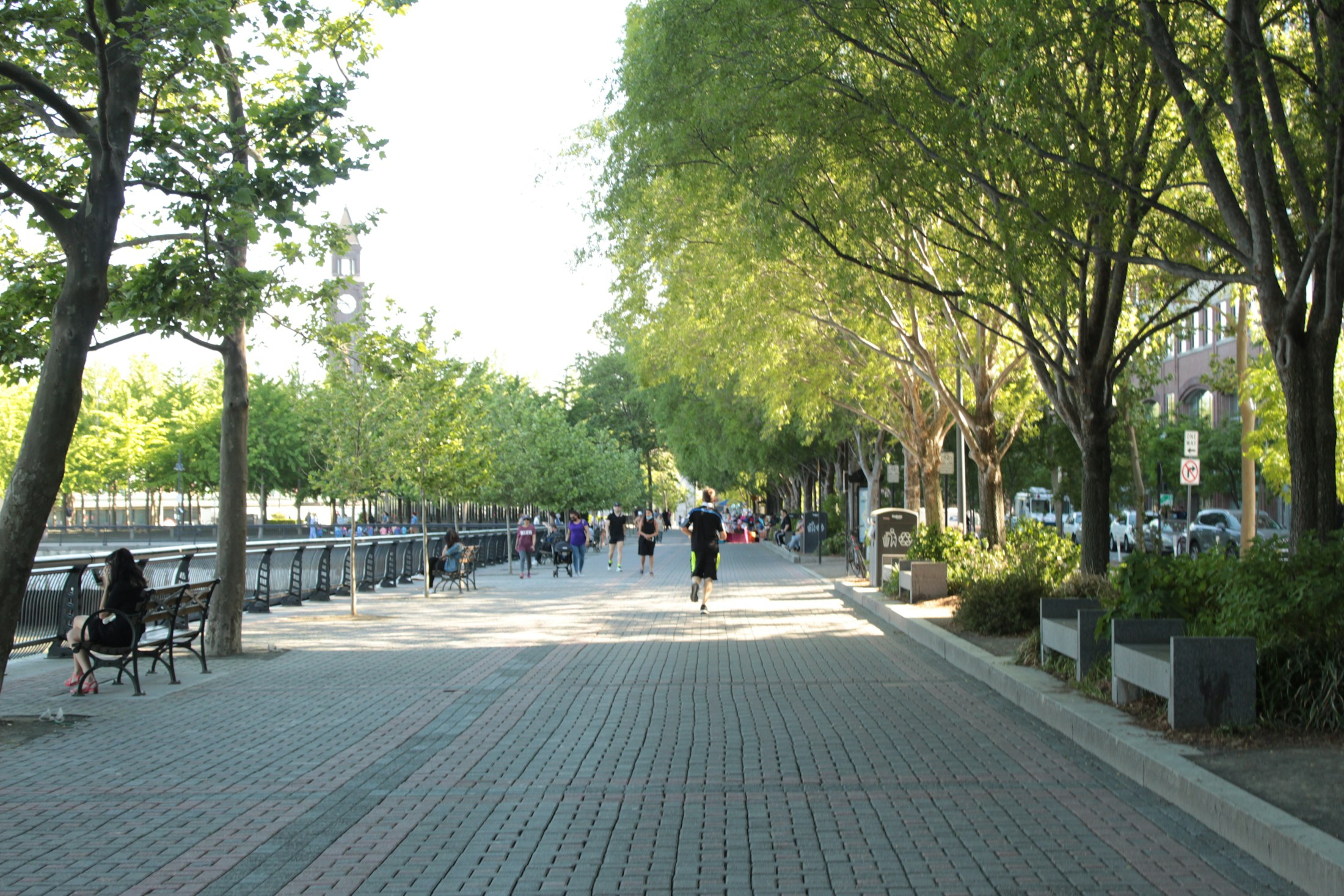
A green corridor fails if it becomes an isolated attraction. The true success of these spaces lies at their boundaries. It is in the storefronts that pivot to face the path, the side streets that bleed into the corridor, and the quality of the crossings that anchor the park to the existing neighborhood grid. When these edges are porous, the park becomes a part of the city’s daily operating system rather than a gated amenity. The distinction is between building a park near a community and building infrastructure within one.
The Cost of Connectivity
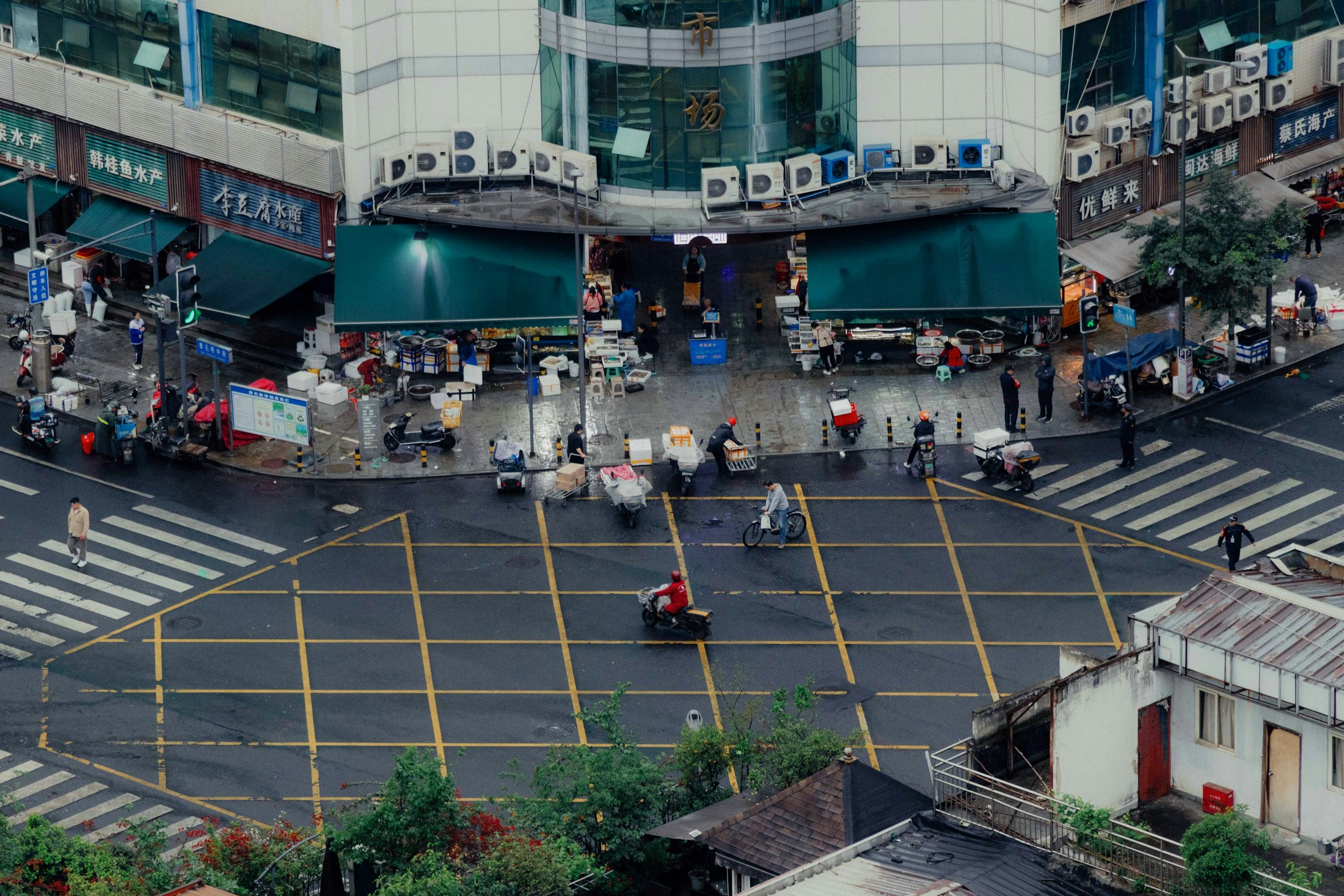
We must be clear-eyed about the contradictions of urban renewal. Beauty creates value, and value attracts capital. When a city invests in a high-quality greenway, it triggers predictable economic shifts that can lead to rapid displacement. The amenity intended to elevate the quality of life for long-term residents can, paradoxically, make the neighborhood unaffordable for them. This isn't an argument against green space; it is an argument for integrated planning. Protecting affordable housing, securing commercial tenancies for local vendors, and establishing community-backed development policies must happen in the planning phase. If these social safeguards aren't cemented before the ribbon is cut, the corridor risks becoming a tool for gentrification rather than community health.
The City as an Exhibition
Infrastructure creates its own culture. Because a corridor is an extended, linear platform, it accommodates forms of engagement that a singular, fixed venue can't. The route becomes a curatorial device. It supports a rotating, decentralized model of culture—pop-up markets, neighborhood festivals, or small-scale creative interventions—that can scale up or down. For the independent creator, this is a significant opportunity. It democratizes access to public space, proving that a meaningful cultural experience doesn't require a museum-sized budget or a institutional gatekeeper.
Recognizing the City
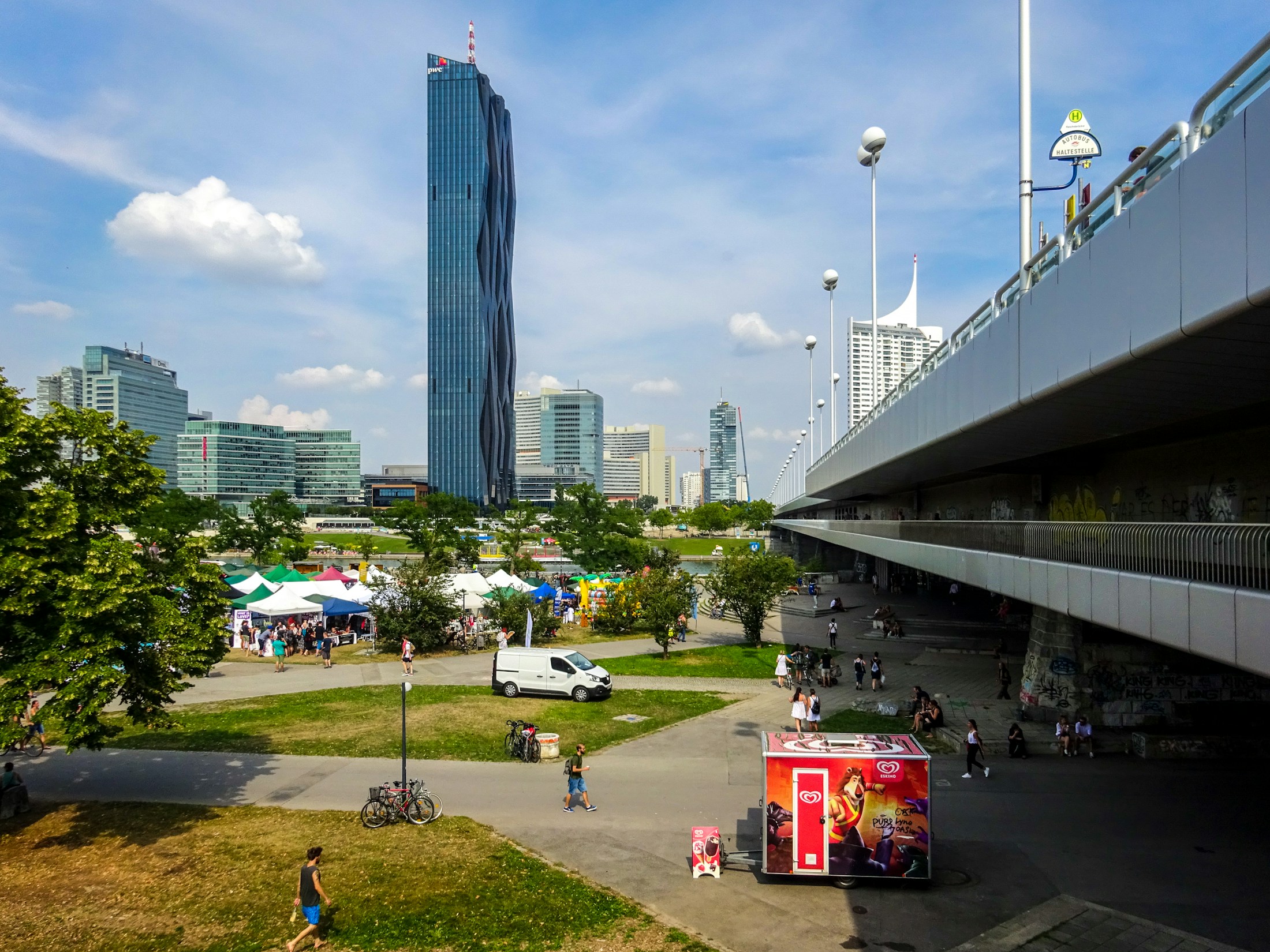
The standard discourse on green space focuses on the aesthetic and the ecological. These metrics are vital, but they ignore the social architecture of the project. A corridor forces us to confront invisible borders, allowing us to traverse socioeconomic boundaries that have been cemented by decades of car-centric planning. When we prioritize this connectivity, we do more than move people efficiently. We give them a reason to pay attention to their surroundings. The ultimate goal of a green corridor isn't to decorate the landscape; it is to build the conditions under which a city finally recognizes itself as a connected whole.


