
Featured image: Colorful mural-covered bus shelter in a snowy neighborhood. Photo by Brad Rucker on Unsplash.
Most people will never step into a museum twice a day, but millions move through transit stations with that kind of frequency. Repetition turns the transit system into one of the most persistent cultural environments in urban life. A train car, bus shelter, or transfer corridor is not merely engineering; it is a public experience shaped by typography, acoustics, architecture, signage, advertising, and the visual hum of people moving through space.
Too often, the cultural layer of transit is treated as decoration added after the functional system has already been designed. A mural softens a concrete wall. A poster fills an empty panel. Those gestures can matter, but they remain secondary if the system itself is hostile, illegible, or culturally anonymous. The more useful question is not how to insert art into transit, but how to recognize transit as cultural infrastructure in its own right.
The Shared Room
Modern cities are increasingly defined by separation. Housing costs divide neighborhoods, employment disappears behind digital gates, and information is filtered through personalized feeds. Public transportation is one of the remaining spaces where that segmentation is interrupted. A train car forces proximity between people who may never share a restaurant, office, or online community.
That proximity does not automatically create community, but it produces awareness. Styles, languages, flyers, conversations, routines, and small changes in neighborhood life become visible simply because people occupy the same moving room. The design of that room matters. A station built entirely around hard surfaces, glare, hostile seating, and confusing signage tells riders to move through as quickly as possible. A station that values legibility, light, identity, and comfort acknowledges that transit is part of daily civic memory.
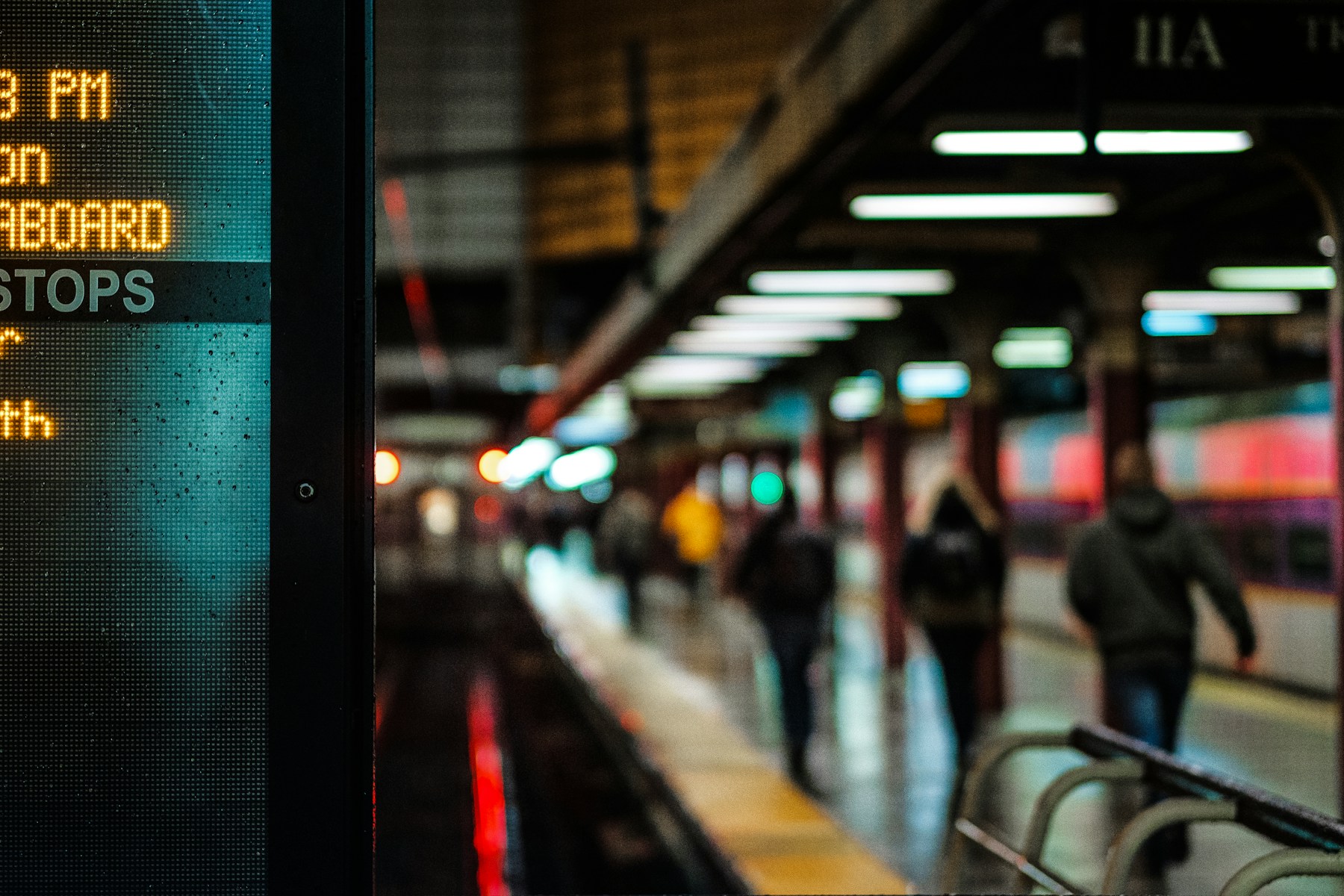
Moving Beyond the Mural
The standard model of transit art is often limited to an occasional mural or commissioned sculpture. A richer system could treat local photography, independent music, poetry, publishing, and neighborhood archives as recurring parts of the environment. Vacant retail kiosks could become rotating micro-galleries. Digital wayfinding could surface local history alongside arrival information. Even sound—the cadence of announcements, platform acoustics, or station identifiers—can contribute to a city’s sense of place.
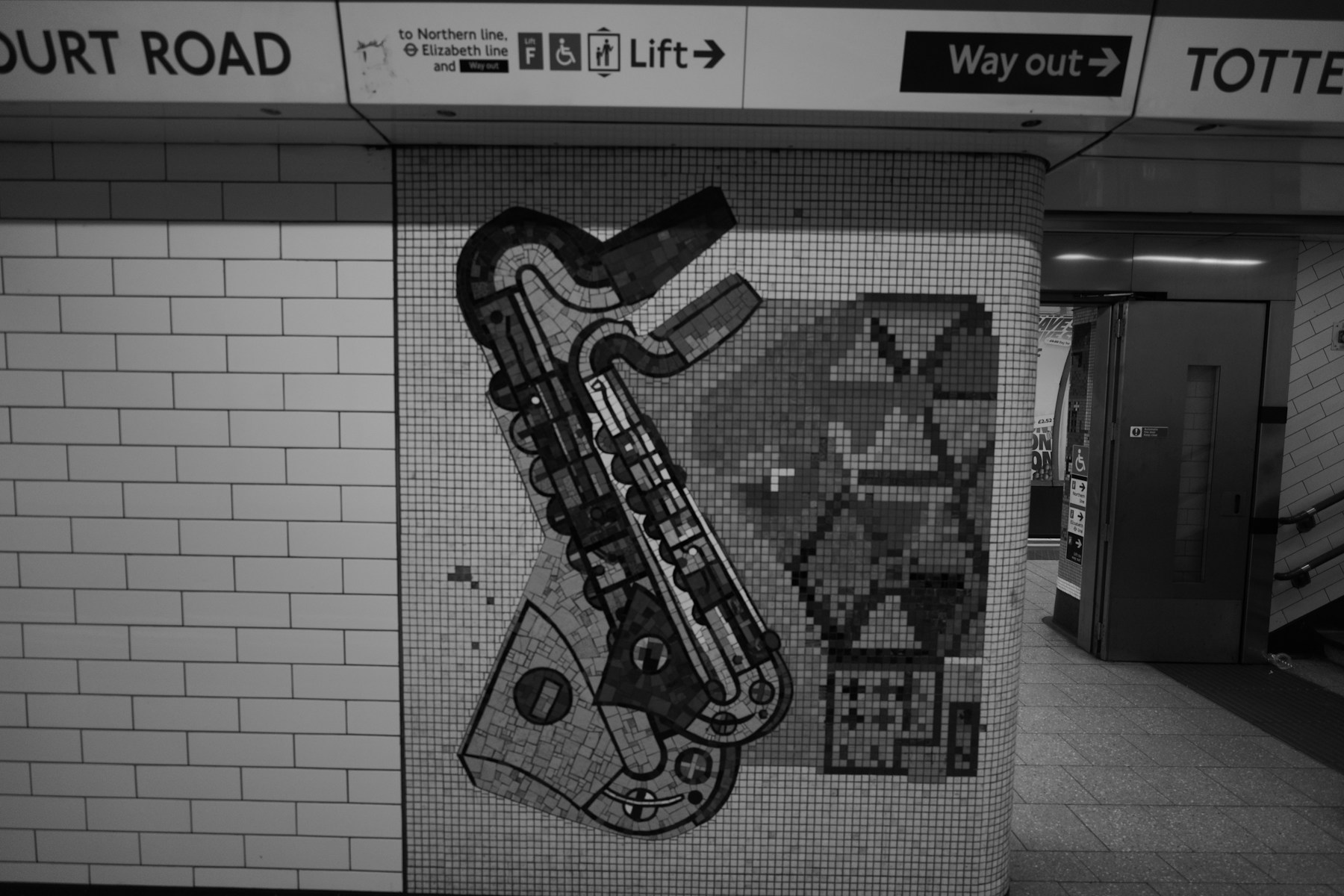
The goal is not to turn every station into a branded backdrop for photographs. That would simply replace one form of extraction with another. The point is to let the system carry authentic evidence of the people it serves, so transit feels connected to the neighborhoods it passes through rather than sealed off from them.
The Ownership of Public Sightlines
Once transit is understood as a cultural platform, a political question follows: who controls the wall space? Advertising companies have long treated riders as captive attention, turning nearly every visible surface into commercial inventory. But civic space is finite. Measuring it only through ad density leaves little room for public memory, local culture, or noncommercial information.
Cities can reserve part of that visual territory for cultural use without treating it as a charitable side project. A young photographer should have a path to showing work in a station. A local music collective should be able to participate in the sonic identity of the system. A neighborhood archive should be able to surface historical images near the streets where that history happened. These are not decorative extras; they are ways a city writes its public record in real time.
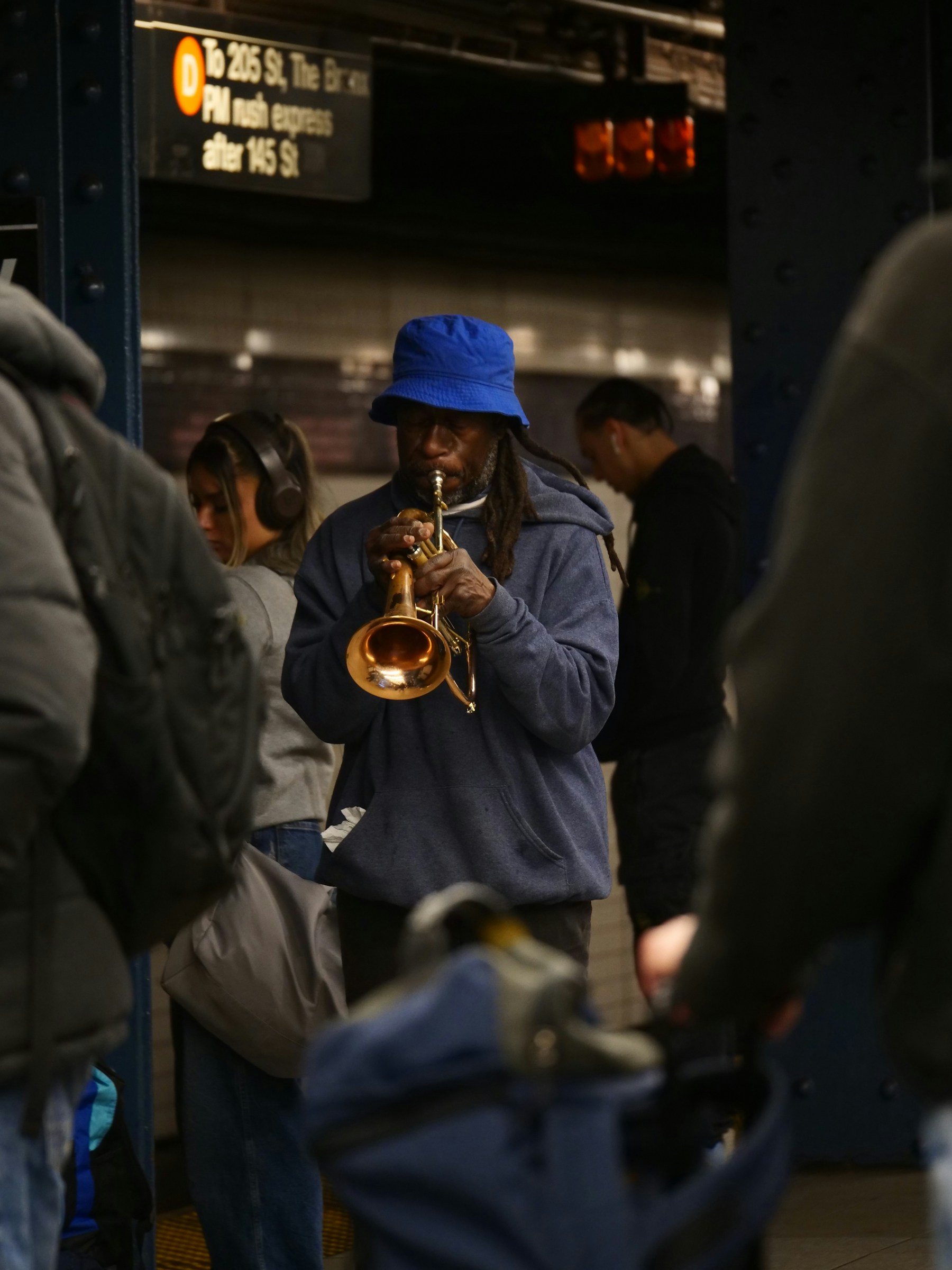
Movement as Memory
Some of the most durable memories of a city are rooted in transit: a station recognized by the color of its tiles before its name comes to mind, a song associated with emerging from a tunnel into morning light, or the shift in atmosphere as a train moves from industrial edge to dense center.
Transit is usually evaluated through speed, reliability, and capacity, and those metrics are essential. But they are incomplete. Transit also shapes how a city feels, who can reach its center, and what people encounter along the way. Culture is not only a destination somewhere beyond the commute. The commute is already an exhibition. The question is whether cities choose to design it with that responsibility in mind.


