Featured photo: A human hand and a robotic hand reach toward one another in a vivid, abstract composition. Photo by Cash Macanaya / Unsplash.
The debate surrounding artificial intelligence in creative work stalled the moment it was framed as a zero-sum contest. We keep asking whether a machine can mimic the brushstroke of an illustrator, the cadence of a poet, or the melodic intuition of a composer. These inquiries lead to flashy demonstrations and exhausted binaries, but they offer little insight into the actual arc of culture.
The more rigorous question is not whether the machine can perform, but what becomes of human creative work when the cost of generation approaches zero. When the barrier to producing a polished artifact—an image, a draft, a sonic texture—is dismantled, we aren't witnessing the end of creativity. We're witnessing the devaluation of technical proficiency as a standalone metric and the radical elevation of something else: judgment.
The Abundance of Competence
For centuries, the creative act was tethered to the friction of production. Accessing the tools, mastering the craft, and investing the time served as filters. Today, those filters are dissolving. We're entering an era where competent output is an ambient commodity, as accessible as a dial tone.
This shift forces a transformation in the role of the creator. When you can iterate a hundred variations of a concept in an hour, the labor of making loses its traditional prestige. The work of curating—of knowing exactly which of those hundred options deserves to exist, why it resonates, and how it fits into a broader tapestry—becomes the primary act of authorship. Taste, research, lived experience, and the refusal to accept mere competency are no longer soft skills. They are the core infrastructure of modern design.
The Sketchbook and the Studio
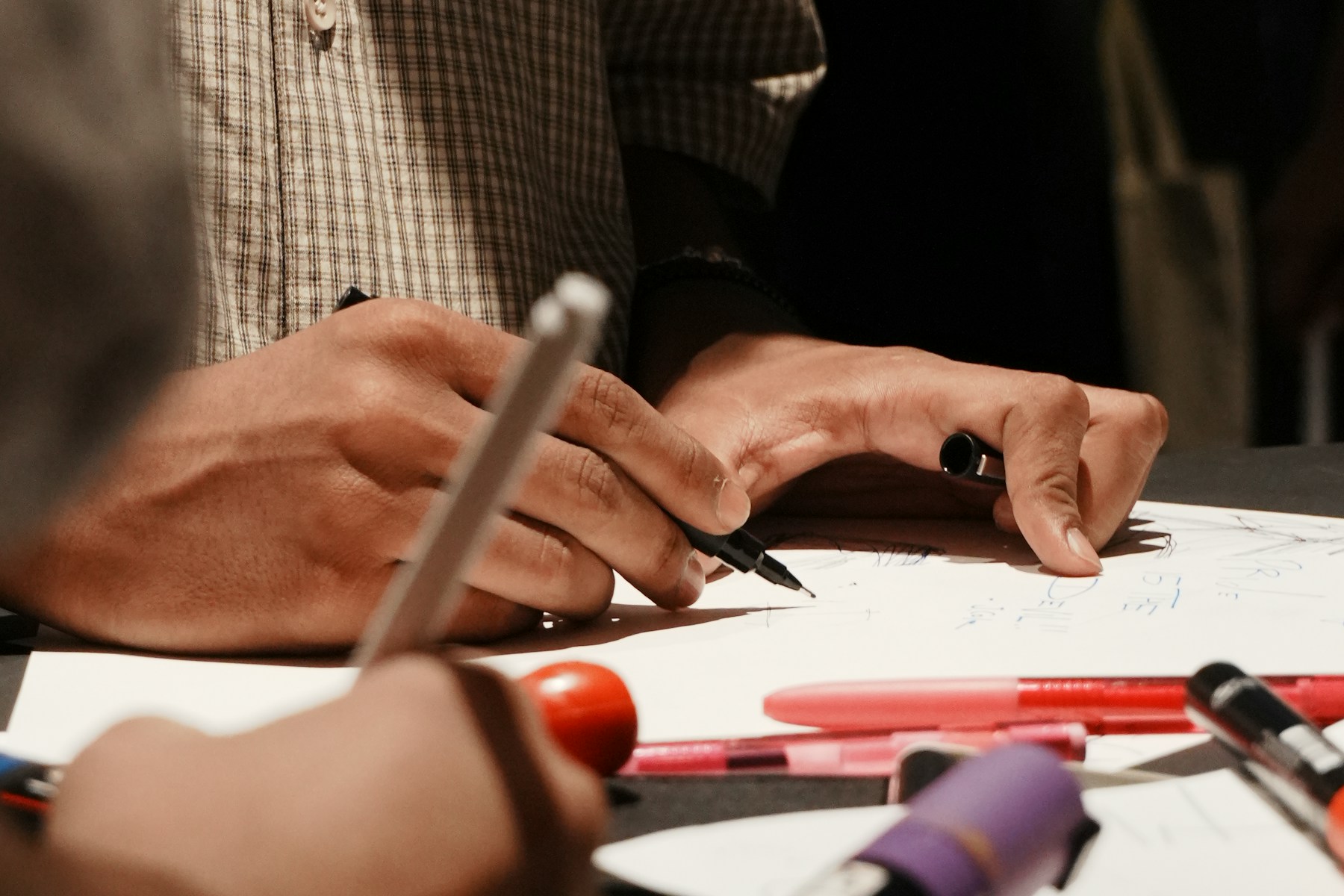
In my own practice, AI functions best when treated as an incredibly high-velocity sketchbook. It excels at the peripheral labor of creativity: prototyping, summarizing complex datasets, mapping potential directions, and clearing the technical hurdles that once prevented a fleeting idea from becoming a tangible test.

The peril arises when we confuse the sketchbook for the finished painting. A generator can suggest a thousand paths, but it can't decide why path seven matters. It can't navigate the emotional stakes or the historical weight of a project. The machine can simulate the mechanics of a creative work, but it lacks the capacity to care about the result. Without that intent, the work is merely noise.
Provenance and the Human Cost
We're often told that the final object is what matters. History suggests otherwise. We value art not because it is technically flawless, but because of the lineage behind it: who made it, under what conditions, in conversation with which history, and at what personal cost. We value the context of the struggle.
Synthetic abundance, paradoxically, makes the human origin story more valuable, not less. As the marketplace fills with frictionless content, the audience will naturally gravitate toward provenance. They will seek out creators who can articulate a specific, defensible point of view that the algorithm can't replicate because the algorithm has no life to reflect.
The New Division of Labor
None of this ignores the systemic friction inherent in these tools. We can't sweep the issues of training data, compensation, and the erosion of entry-level roles into a footnote. These are not technical bugs to be patched; they are features of an ecosystem that determines who gets to sustain a career in the arts. A creator can embrace the utility of a new tool while remaining deeply skeptical of the infrastructure that built it.
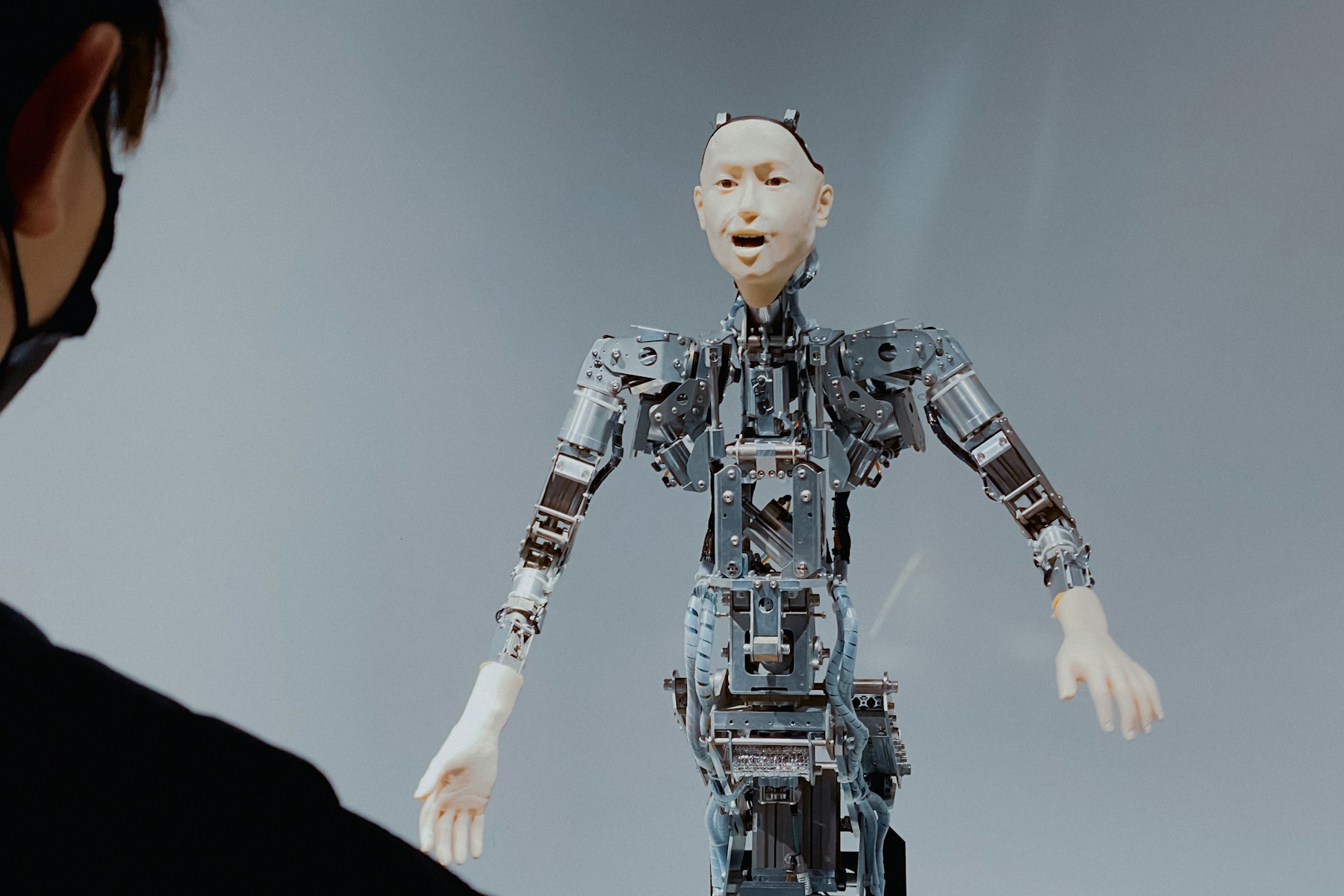
The future of creative work is not a competition between silicon and carbon. It is a new, uncomfortable, and necessary division of labor. Generation is becoming a utility—a cheap, fast, and unavoidable background process. Perspective, conversely, is becoming the only true scarcity. Those who recognize that shift—those who take full responsibility for what they ship, rather than outsourcing their intent to the machine—will be the ones who define the work worth remembering.