One of the stranger discoveries in late-1990s hip-hop reporting is the importance of an independent group's website. When Hieroglyphics was navigating a change in its recording-business relationships, a fan-built online presence helped artists stay connected to listeners. This was not yet the era of the creator dashboard. The music still needed duplication, packaging, touring and actual people willing to buy it.
The collective's own history describes Hieroglyphics Imperium as artist-owned. That distinction was practical, not just philosophical. If the artists controlled releases and communications, they could decide which music made it into the world and how to build an audience around it.
Before ownership, a shared point of view
Native Tongues was an artistic network more than a single business entity. The Jungle Brothers, De La Soul, A Tribe Called Quest, Queen Latifah and collaborators made visibly different records while sharing relationships and a wider creative outlook. A collective did not require everyone to sound alike. It made artists easier to encounter through association.
New Jersey's Flavor Unit circle reveals a related version of the model. Recordings, production and professional development could reinforce one another, helping artists turn local reputations into careers. The network was not simply a group photograph. It was a way to get work done.
Hieroglyphics and the direct relationship
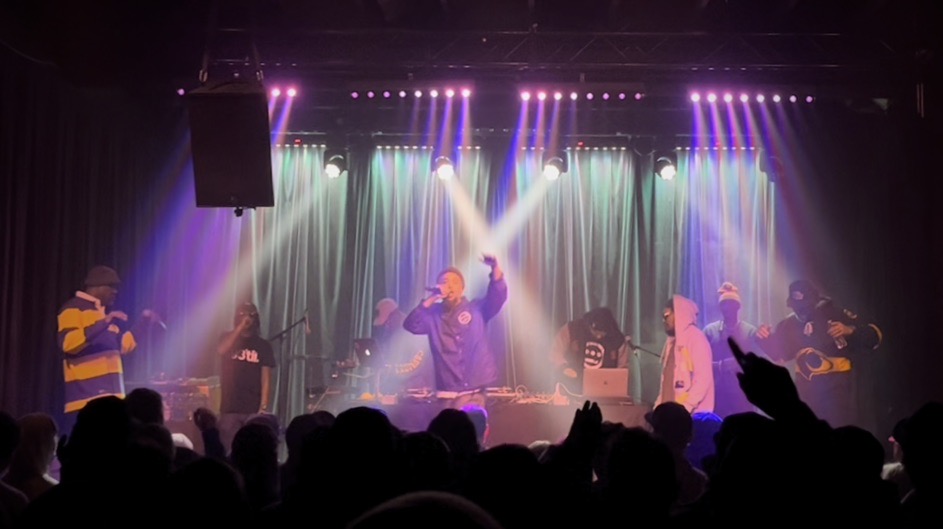
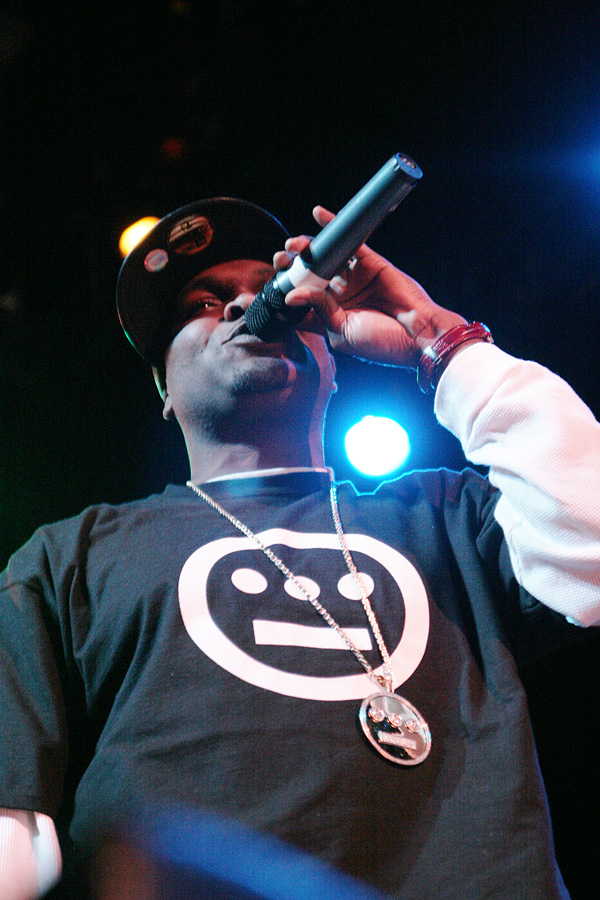
Oakland's Hieroglyphics made independence a more formal operation. Its members could release solo records within a recognizable shared identity, and the Hieroglyphics name itself helped listeners take chances on unfamiliar material. The 1998 album 3rd Eye Vision marked an important recorded moment for the larger group.
The contemporary account of the fan website is a reminder that an audience relationship may begin outside the industry's preferred channel. A direct connection cannot guarantee a sustainable business, but it can preserve contact when a distributor or label relationship changes.
The economics of making your own way
Living Legends became closely associated with directly selling music and touring hard. Rhymesayers built a durable independent operation in Minneapolis. El-P's Definitive Jux provided an identity around records that rarely made commercial accessibility their first priority. Anticon stretched the musical vocabulary further and created its own listening community. These were different organizational forms, not one blueprint.
Independence can protect unusual artistic choices, but it moves work onto the artist's shoulders: manufacturing, promotion, accounting, customer support, scheduling and dispute resolution. A crew may distribute those responsibilities more effectively than a solitary musician. It can also develop conflicts over recognition, money and direction.
When the website becomes the room
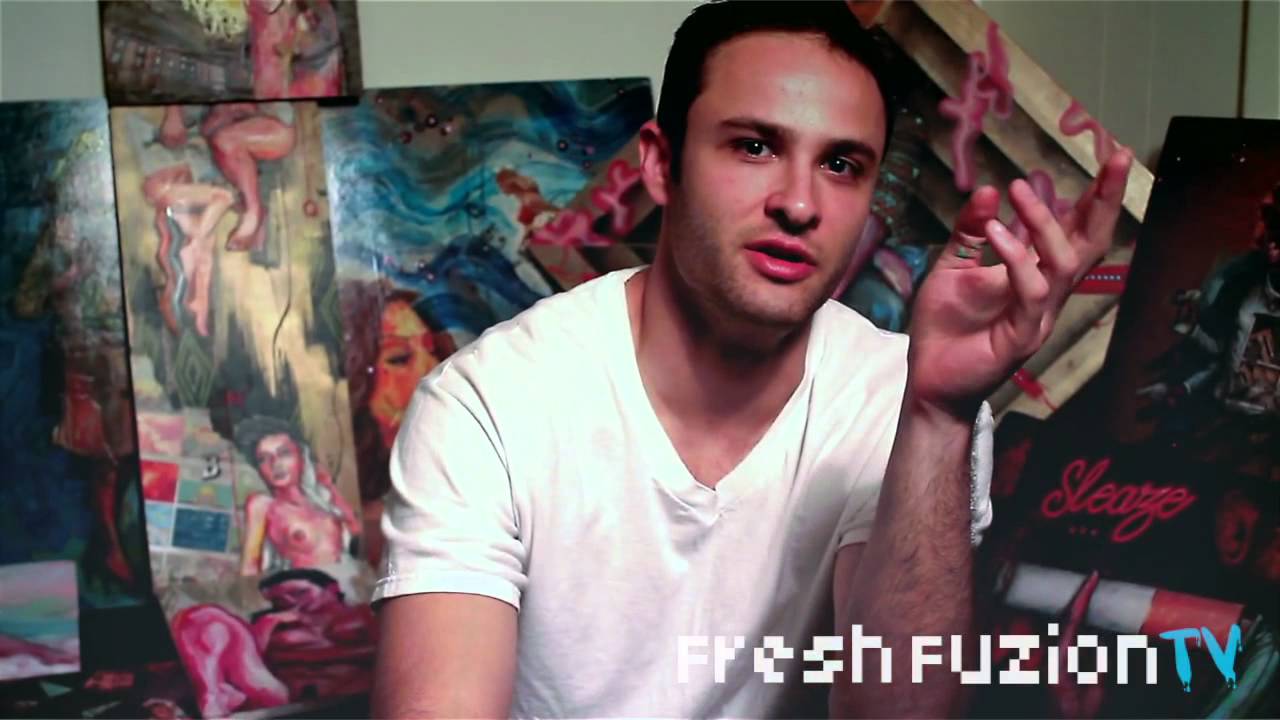
By 2010 Fresh Fuzion was organizing live events in Philadelphia, relying on the same unglamorous connective work that sustained earlier scenes. The surviving account of its Legendary Dobbs and Time showcases captures that economy in photographs and venue histories. HARLEY.OS now places music, publishing and community tools into an artist-controlled environment, but the challenge remains recognizable: give people a reason to return, and build a reliable system around them.
Music platforms may be new. The desire to own the point of contact with an audience is not. The independent rap collective was already working on that problem when a website still felt like a radical piece of infrastructure.
Archive: Hieroglyphics history; 1990s online reporting; Anticon's story; Rhymesayers.