To understand an early Jersey Club track, you need to know what happened after a DJ played it. A vocal phrase might be repeated until it stopped behaving like language and became percussion. A familiar R&B song might be cut down to a few seconds that dancers could seize upon. Some tracks were never designed to travel much further than the next party. That is not an incomplete form of a commercial record. It is a different purpose altogether.
By the time the music started appearing in global playlists, Newark had already spent years working out the details. The 2014 FADER oral history gets closer to the people and conflicting memories than a neat single-inventor story ever could.
Brick City was part of the name
Before people everywhere called it Jersey Club, the music circulated in a Newark environment sometimes described as Brick City Club. Baltimore Club supplied important rhythmic ideas, but local DJs and producers did not merely reproduce another city's records. DJ Tameil is repeatedly identified in firsthand accounts as a key figure in bringing that influence north. Tim Dolla, Mike V and the Brick Bandits circle helped develop the local production identity.
A genre is made through repetition and disagreement. Someone plays a record and somebody else changes it. Dancers demand more of one break and less of another. The floor becomes a form of editing.
The dancer was a collaborator
That relationship is why Jersey Club's history cannot be built from production credits alone. DJs, neighborhood parties, dancers and informal networks helped determine which tracks became recognizable. DJ Mag's retrospective documents the roles of dance culture and newer artists without beginning the movement at its commercial breakthrough.
The sound's short, aggressive rhythmic cells were practical tools. They left room for a routine, a battle and the immediate response of a crowded space. People who remember the music as a collection of viral hooks may be hearing only the part that survived internet circulation.
The rap question
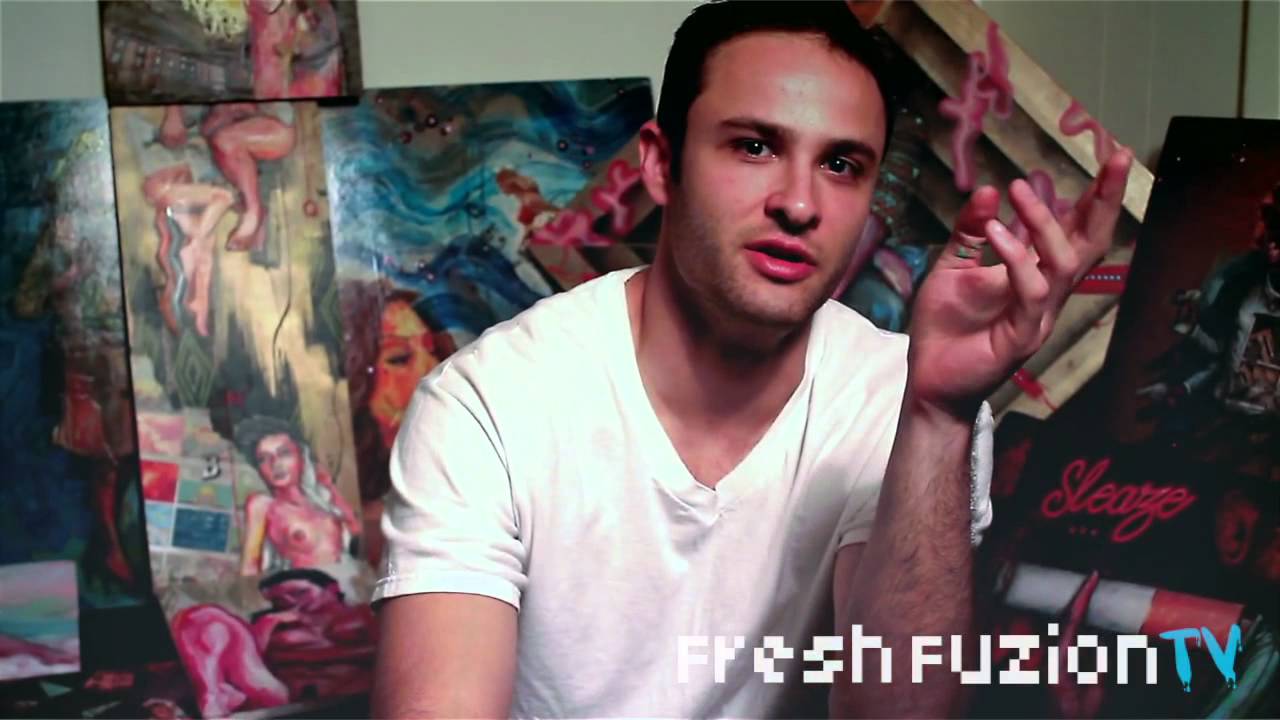
What happens when an MC begins rapping across a Jersey Club track rather than appearing as a chopped sample inside it? Newark's Unicorn151 is connected to early experiments in that direction, and the Fresh Fuzion account of “End of the Night” follows adjacent collaborations involving 151 Feva Gang and producer Lamar “LB” Brown. Claims about the very first such record require original dated releases and competing testimony. Repeating a story is not the same as settling a chronology.
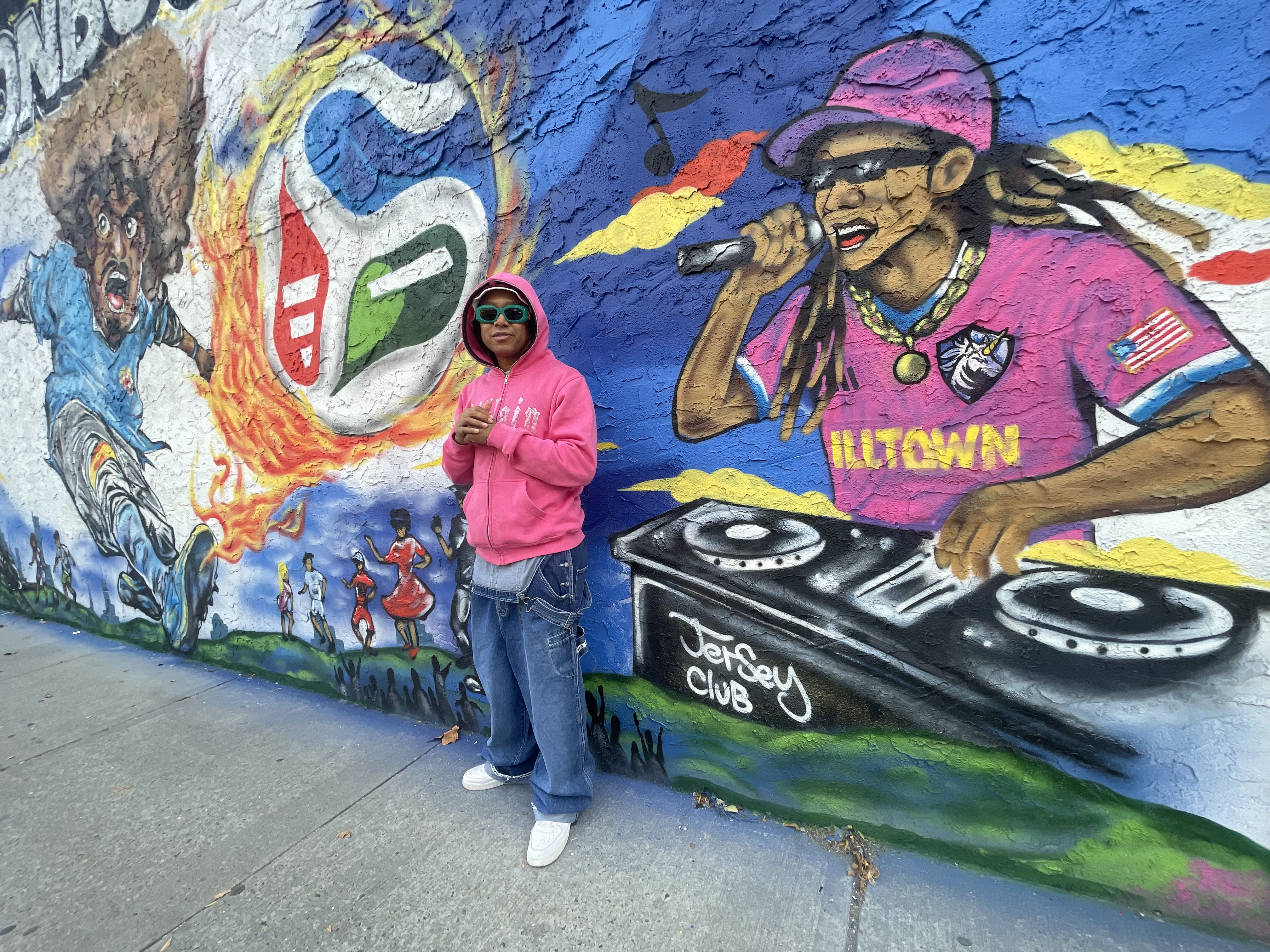
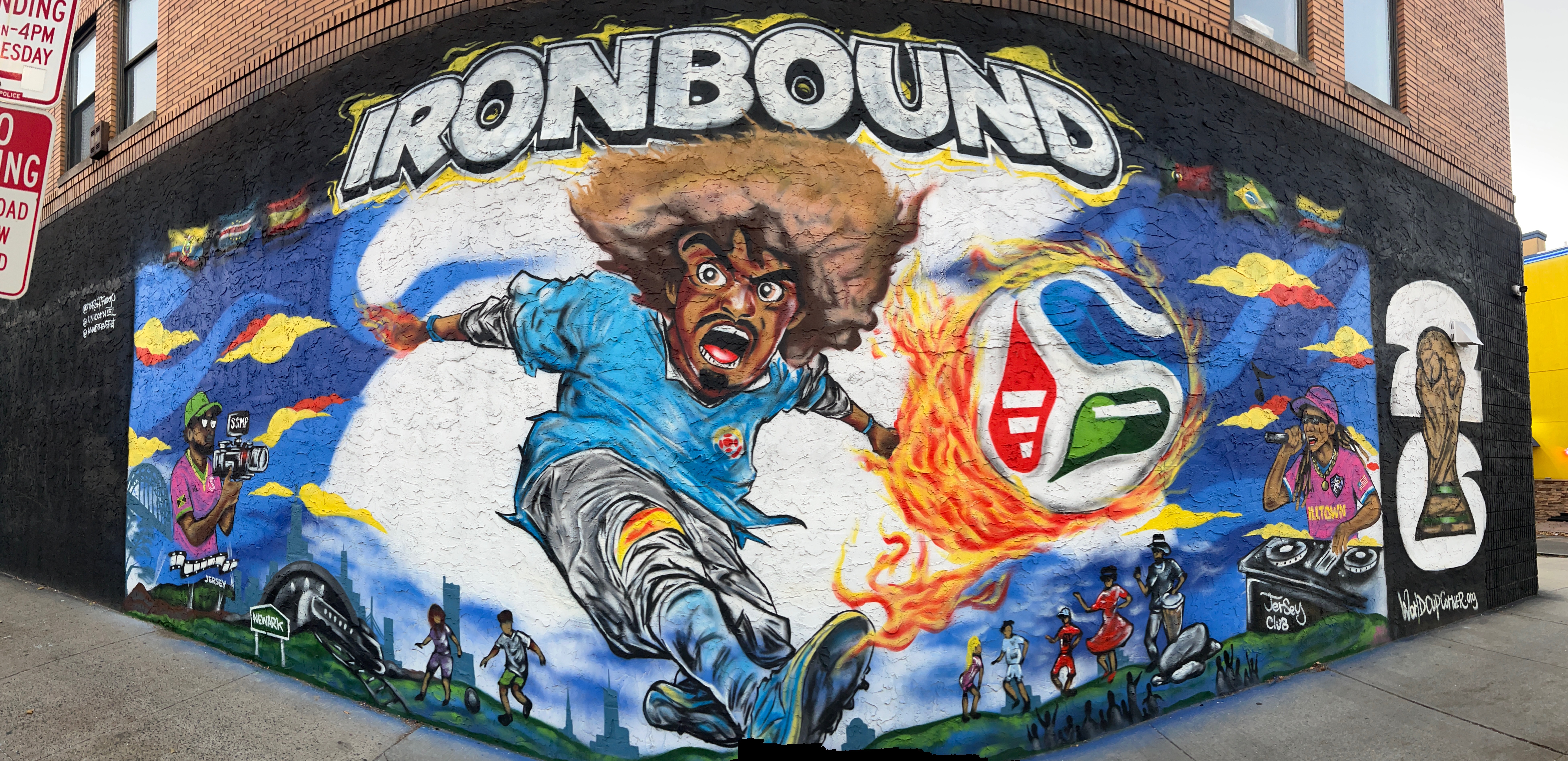
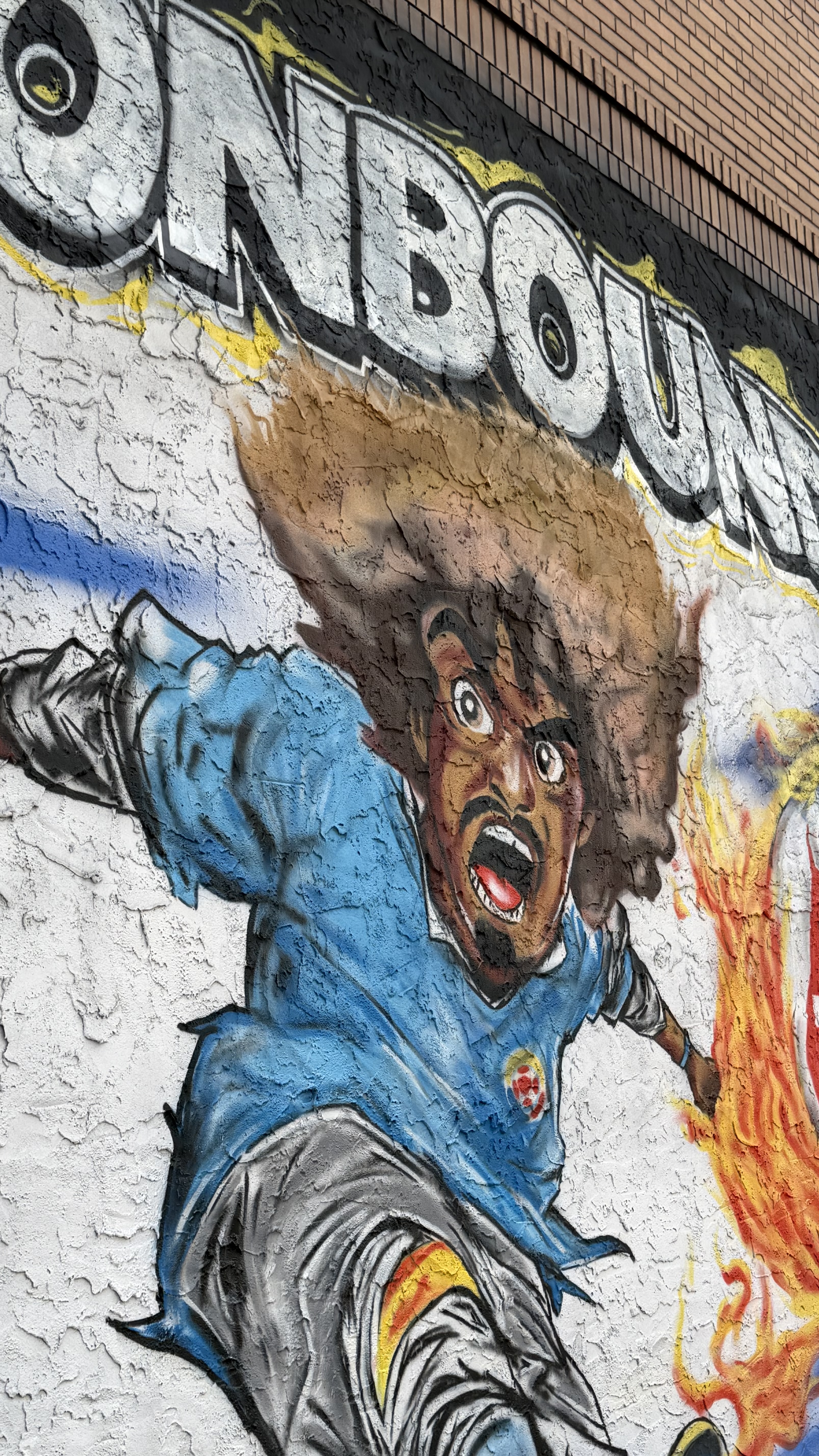
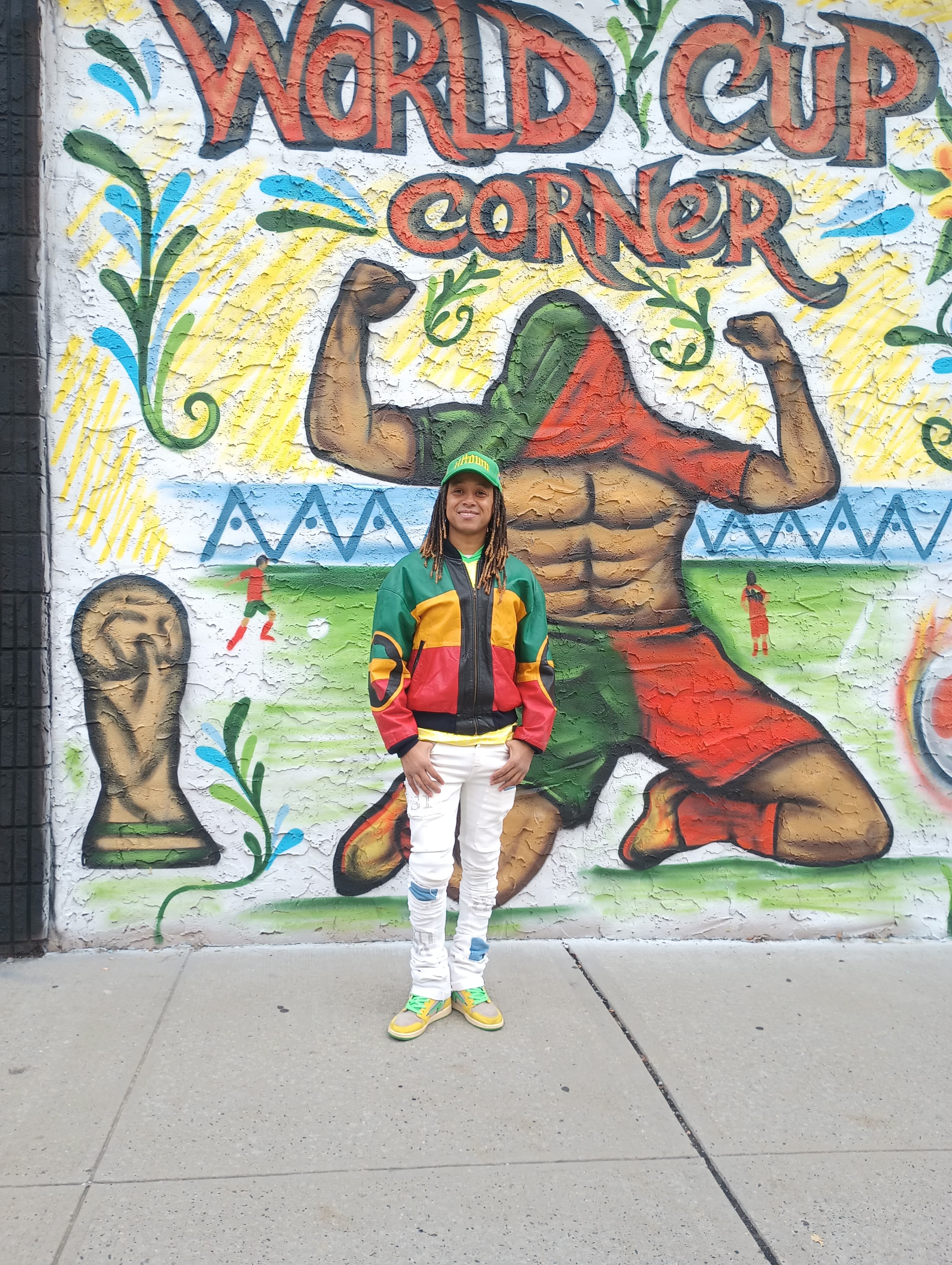
The Newark mural now associated with Unicorn151 gives that local history a public visual presence; it should not be confused with documentation of an early club night.
What the mainstream heard later
DJ Sliink, UNiiQU3, Nadus, R3LL and subsequent artists carried the vocabulary to audiences no longer confined to Newark. Social media made new forms of dance circulation possible, while commercial rap and pop began borrowing from the genre. These are genuine developments, not reasons to erase the earlier producers and dancers.
Jersey Club belongs to the wider history of Black American electronic dance music, and particularly the dialogue among house, Baltimore Club and Newark's own dance culture. The history is richer when the influences are acknowledged instead of reduced to a story of one catchy beat going viral.
Archive: Jersey Club oral history; The sound's evolution; Newark and South Jersey club-rap connections.