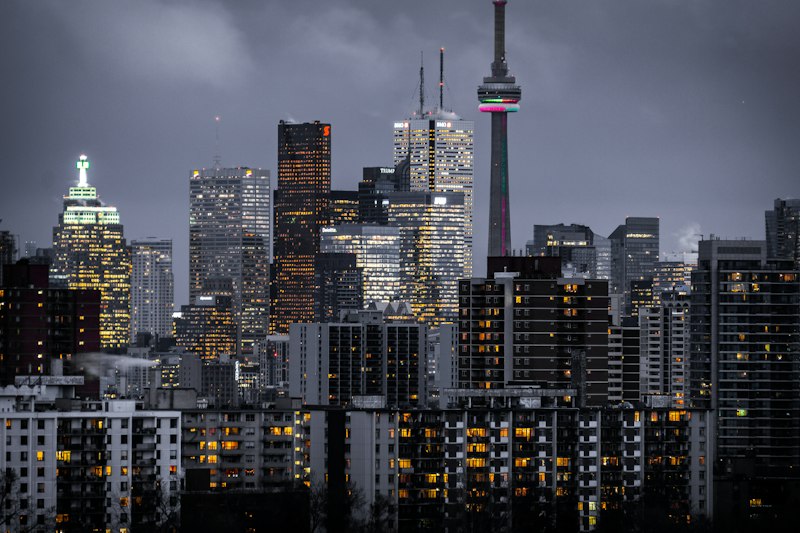
A city can be perfectly mapped—zoned for housing, optimized for industry, and scrubbed clean of friction—and still feel spiritually hollow. When a city stops functioning as a social organism, it isn't usually because the infrastructure failed in a technical sense. It’s because the spaces between the destinations have evaporated.
Sociologist Ray Oldenburg famously defined the "third place" as the middle ground between home and work. These are the cafes, barbershops, diners, and newsstands where the primary transaction is not commerce, but presence. They are the sites of low-stakes social labor where people become regulars without needing a formal invitation or a digital RSVP.
The Necessity of Inefficiency
Our current obsession with productivity has poisoned the way we think about physical space. We measure a city’s health by its transit speed, its housing turnover, or its tax base, yet we rarely account for the value of "wasting time" in public.
Creative scenes do not spontaneously combust in boardrooms or at scheduled conferences. They grow through the steady, iterative friction of seeing the same people in the same room. A musician learns about a venue from a photographer; a designer hears about a new supplier from a shop owner. This is the unglamorous work of cultural production: observation, osmosis, and the slow formation of local trust. To an optimizer, this looks like inefficiency. In truth, that inefficiency is the entire point. It is where social infrastructure becomes visible.
The Anatomy of Belonging
A third place is defined by its repetition. The coffee, the books, or the drinks are ultimately replaceable, but the network of relationships formed by being a "regular" is not. When a long-standing local business closes, the physical address is often quickly filled by a new tenant, but the social capital evaporates instantly. The accumulated patterns of behavior—who sits where, who knows whom, who is holding the institutional memory of the scene—are disrupted.
We are currently witnessing a massive consolidation of these environments. Commercial rents treat the "lingering" customer as a liability. Digital services replace the need for errands that once anchored us to the street. And for those with means, the democratic third place is increasingly replaced by the private club or the curated coworking space—environments that are effectively paywalled against the serendipity of the public.
Designing for the Unplanned
The survival of the creative city depends on protecting spaces where membership is not a matter of a monthly subscription, but of simply showing up. This requires an architectural shift away from the "optimized" floor plan.
True social nodes are built on small, inexpensive details: seating that encourages faces to meet rather than screens to be shielded; a counter that accommodates the solitary person without making them feel exposed; access to basic, non-transactional amenities like water and seating. These are not merely decorative features. They are the conditions that allow a room to move from being a static backdrop to a dynamic social site.
Digital culture has successfully convinced us that connection is a logistical problem to be solved by algorithms. It hasn't solved the human need to encounter the unselected—the neighbor, the stranger, the artist you didn't know you needed to meet. When we discuss the future of urban design, we must prioritize the spaces where no formal creativity is scheduled at all. Culture, after all, is rarely made on the clock. It is built in the margins, by people who have finally found somewhere to waste time together.