
Travel becomes useful to a creative person when it stops functioning only as escape and starts functioning as research. I don't mean the formal research of an urban planner with a clipboard, but a quieter observational discipline: noticing how people navigate a train station, how a shop makes ten square feet feel intentional, how a neighborhood communicates identity without a brand guide, or how a public space signals who is invited to linger and who is expected to keep moving.
Every city is a working prototype of someone’s idea of reality. Moving between them makes the systems that felt permanent at home look negotiable again.
The invisibility of the familiar
At home, systems disappear into routine. The width of a sidewalk, the rhythm of a transit schedule, or the social signals embedded in a storefront become so familiar that they stop registering as design choices. Travel interrupts that automation.
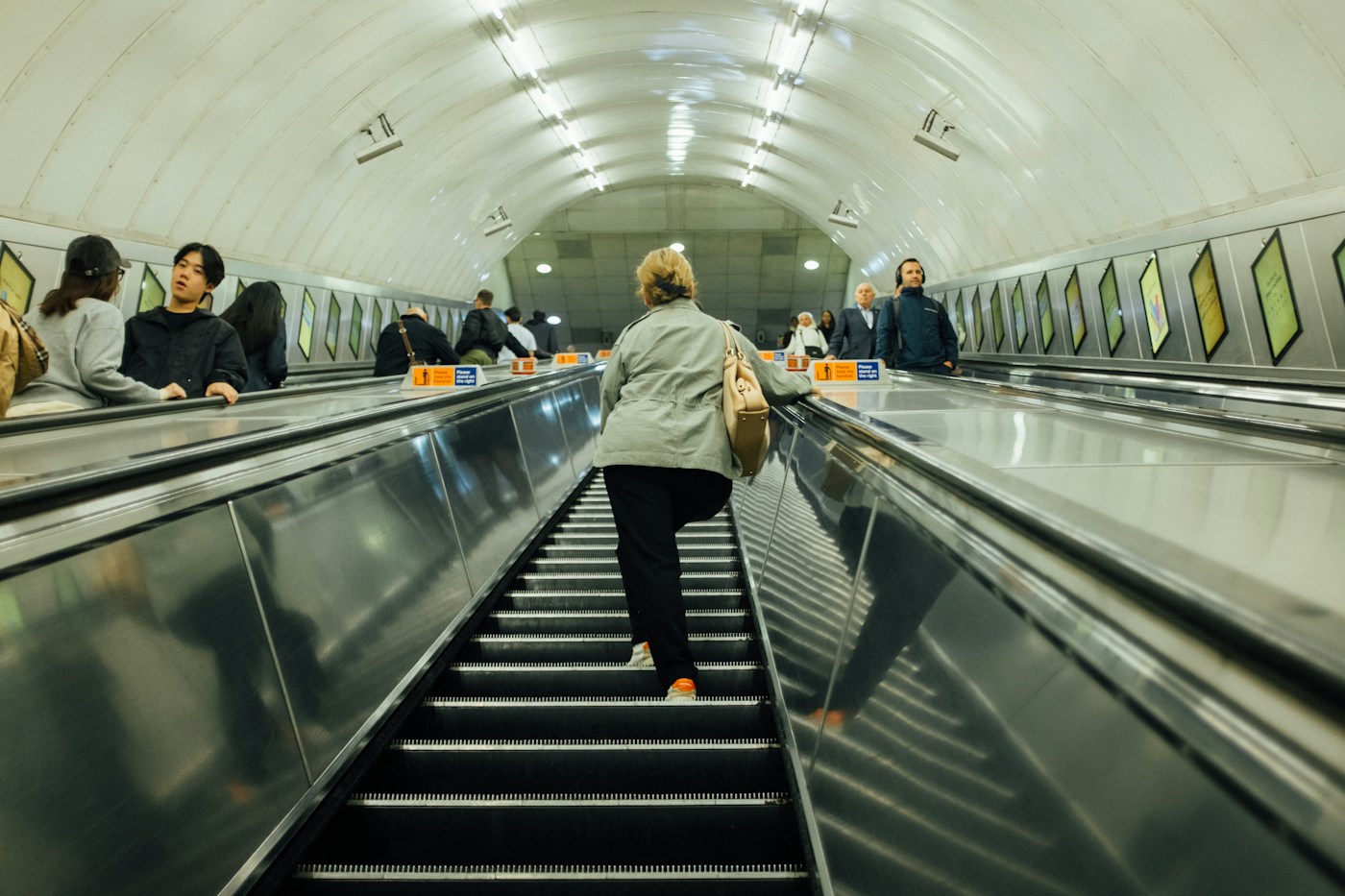
A different city presents many of the same human problems—movement, commerce, shelter, communication, safety—but arranges them differently. The value of visiting is not simply collecting images; it is expanding the internal library of possible solutions. Creative work narrows when it relies on one model. If every website repeats the same platform logic and every retail space follows the same corporate footprint, imagination begins to inherit the limits of that sample. Travel introduces friction into the pattern.
Bring home systems, not souvenirs
The weakest form of creative borrowing is aesthetic. A color palette, type system, interior language, or visual motif can be lifted from one city and pasted onto another context, but the result often becomes decoration because the conditions that produced the form never traveled with it.
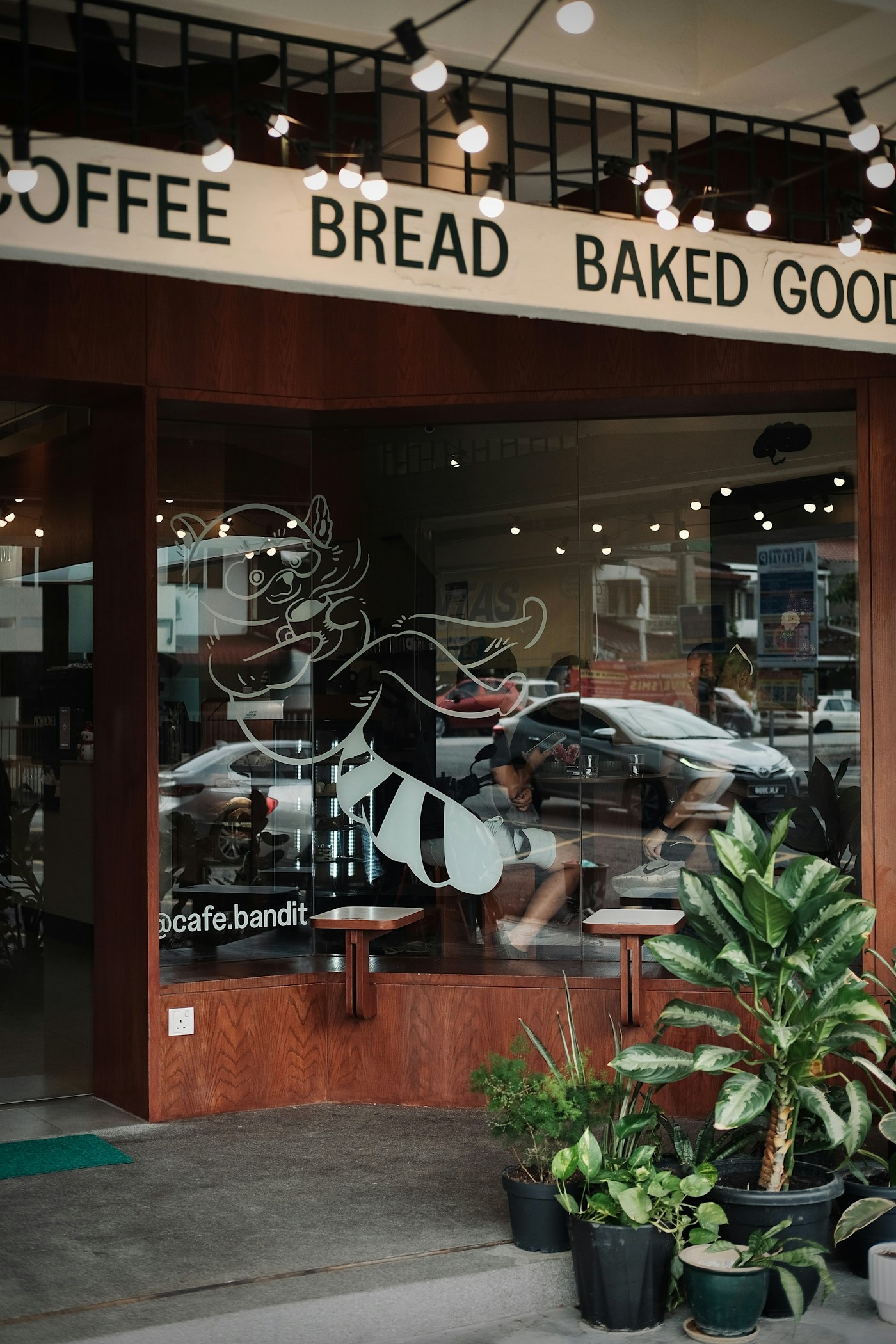
The more useful move is to reverse-engineer the system underneath the aesthetic. Why does a shop specialize so narrowly? Why does a transit network prioritize one kind of movement over another? Why can a public plaza feel like an extension of a living room? Those questions reveal principles rather than props: edit harder, make rituals memorable, design for constraint, and let actual behavior shape the interface. Once the pressure behind a solution is understood, an equivalent pressure can be found at home and answered in a new way.
Products are arguments about life
A product—whether a digital interface, service, shop, membership, or public bench—is also an argument about how people should live. A subscription model assumes recurrence. A bench in a public square argues that people deserve somewhere to exist without making a purchase. Travel exposes these assumptions because different cities make different choices visible.
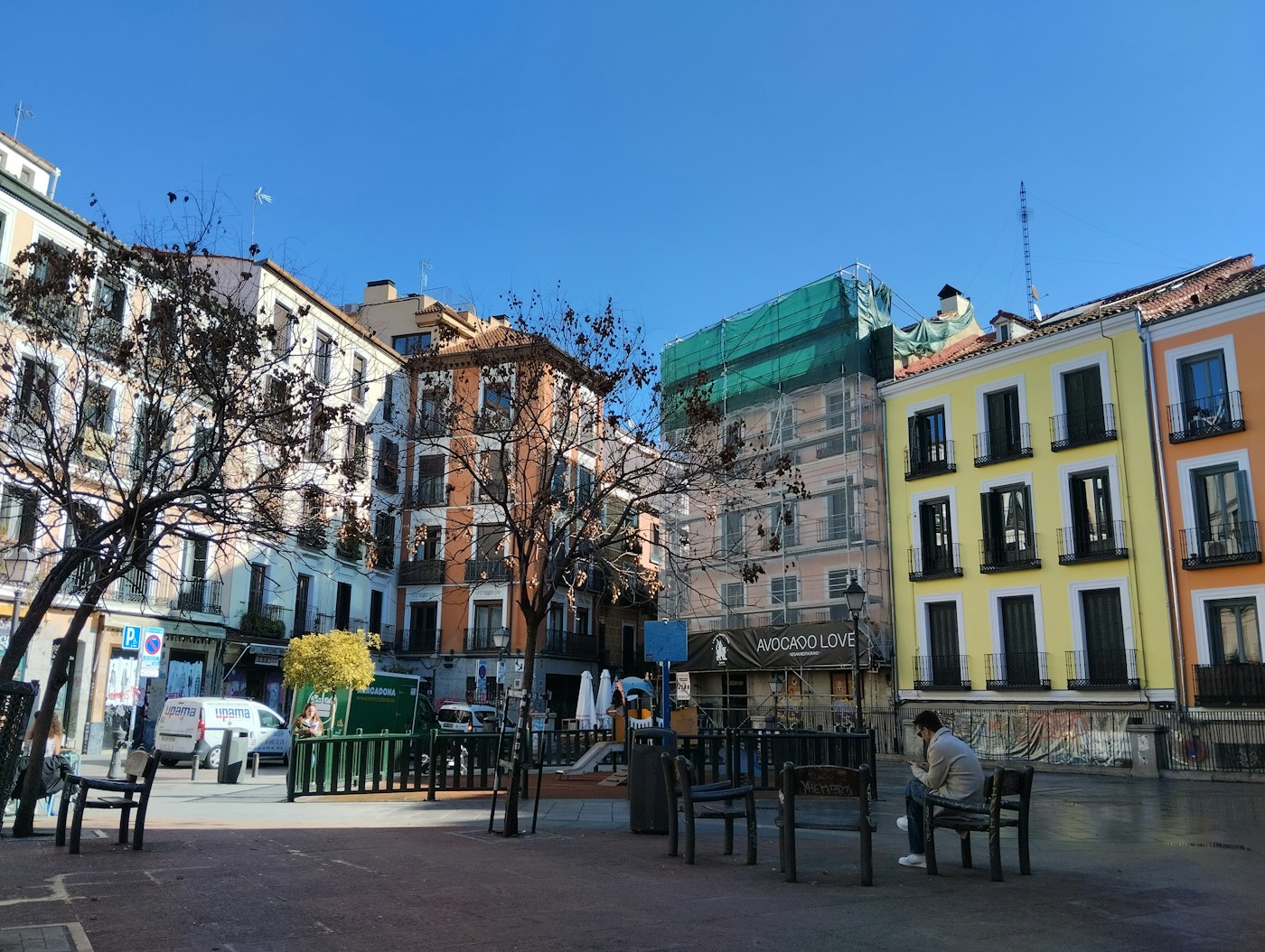
That perspective matters even more as digital templates threaten to flatten the local distinctions that make physical places compelling. When I return from a trip, the most valuable result is rarely the photograph. It is a changed threshold for what I believe is possible. Seeing density handled humanely makes hostile urban design feel less inevitable. Seeing a small business turn limited space into community makes maximum scale look less like the only meaningful measure of success.
Redesigning the local
Creative people spend much of their lives building imaginary worlds. Travel is a reminder that the real world is imaginary too, in the sense that streets, zoning codes, transit schedules, storefronts, and cultural rituals were all negotiated, inherited, or designed by someone. They are not natural law.
Urban Futurism begins with that recognition. The goal is not to return home merely impressed by what another city built. It is to return less willing to accept that the existing arrangement is the only arrangement available. Broader references expand the set of tools available for redesigning immediate reality—not by copying another place, but by seeing home clearly enough to make different choices.
Featured photograph: Jason Leung; traditional storefront signage beside newer urban buildings.


