Featured photo: Plaza Mayor, Madrid. Photo by Alinson Torres.
People ask me what surprised me most about Madrid, expecting me to say the architecture or the museums or the fact that dinner doesn't really start until most people back home are already halfway through Netflix. That's all true, but it isn't what stuck with me. What stayed with me was the pace. Not slow—Madrid isn't slow—but deliberate. The city knows exactly what it is and doesn't seem interested in convincing anyone. Coming from New Jersey, where we're raised somewhere between New York's urgency and Philadelphia's chip on its shoulder, that confidence feels familiar in a strange way.
Jersey teaches you to move. You learn early that if you want something, you go get it. Burlington, Jersey City, Hoboken—it doesn't really matter where you grew up. You're always navigating between places, personalities, and ambitions. The state gets reduced to punchlines by people who've never spent meaningful time there, but anyone who grew up in Jersey knows it's one of the most culturally dense places in America. Every neighborhood borrows something from another. Hip-hop, house music, punk, diners, Dominican barbershops, Italian bakeries, Korean restaurants, Portuguese cafés—they all coexist inside a few square miles. That kind of cultural mash-up shaped the way I hear music and the way I make it. I've always believed the best art comes from collisions rather than purity, and Jersey is built on collisions.
Madrid carries that same feeling without announcing it. On paper, it's Europe's political capital. In practice, it's a collection of neighborhoods that feel like independent cities stitched together. Malasaña reminds me of the creative corners of Brooklyn before they became polished. Lavapiés feels international without trying to market itself that way. Chueca has an openness that never feels forced. Walk twenty minutes in any direction and the rhythm changes, but the city never loses itself. It reminds me of hopping from Hoboken into Jersey City, then catching the PATH into Manhattan. Every stop has its own personality, yet they're all part of one conversation.
As someone who spends most of his life creating, I notice cities by the sounds they make before I notice what they look like. Madrid has texture. Coffee cups hitting marble countertops. Skateboards rolling across old stone. Conversations spilling into plazas at midnight. Metro brakes screeching beneath the city. A flamenco guitarist playing somewhere you weren't expecting. In Jersey, my beats started with train tracks, traffic, church bells, and neighbors arguing across porches. Different languages, same instinct. Cities become instruments if you're paying attention.
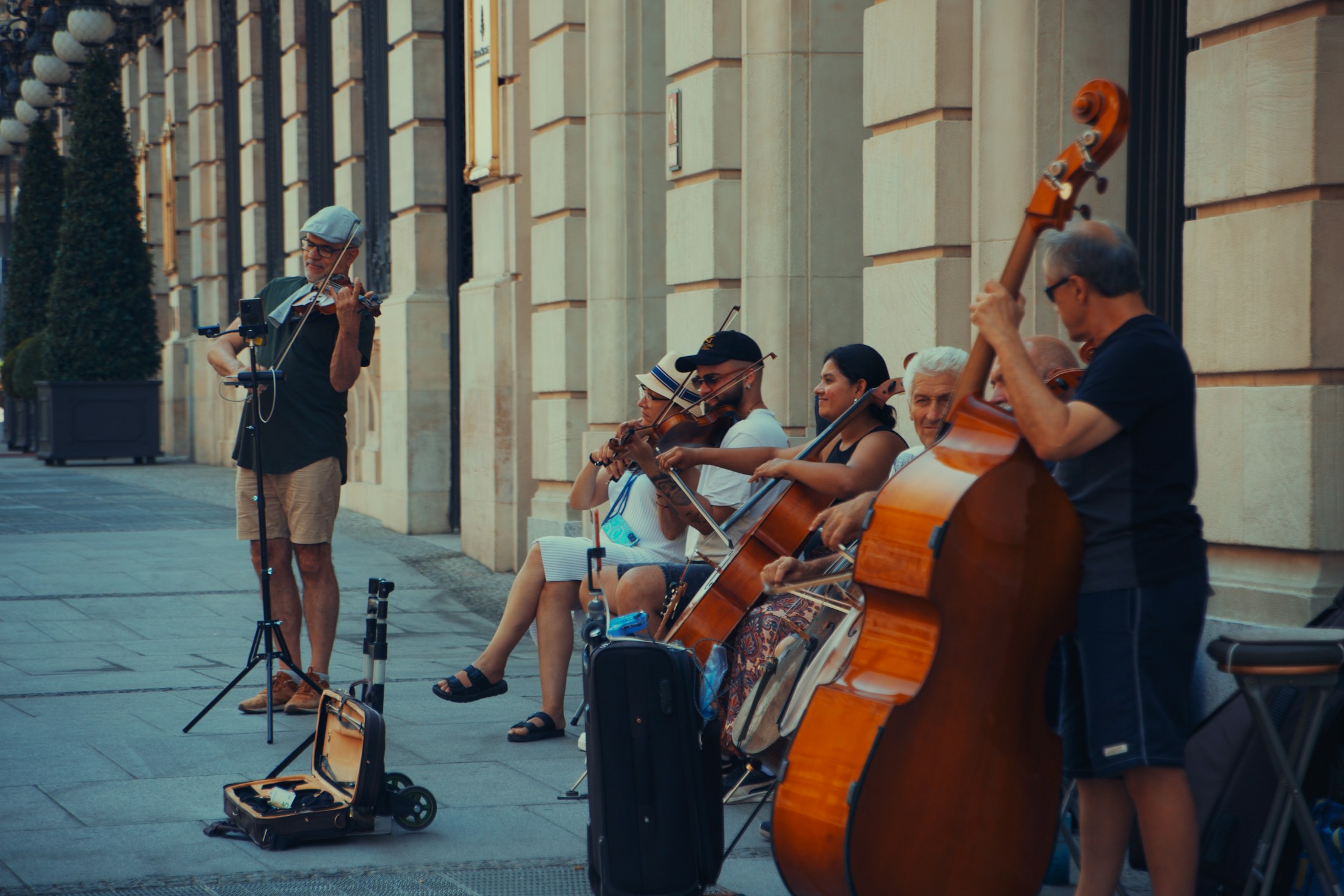
One thing Jersey prepared me for was appreciating people who don't perform success. Back home, the loudest person in the room usually isn't the one doing the most interesting work. Madrid feels similar. You can spend an afternoon in a tiny café where the owner has been perfecting the same tortilla española for thirty years and never once thought about turning it into content. There's something refreshing about craftsmanship that exists without needing validation. As an independent artist, that's a lesson worth remembering. You don't build longevity by chasing algorithms. You build it by getting better.
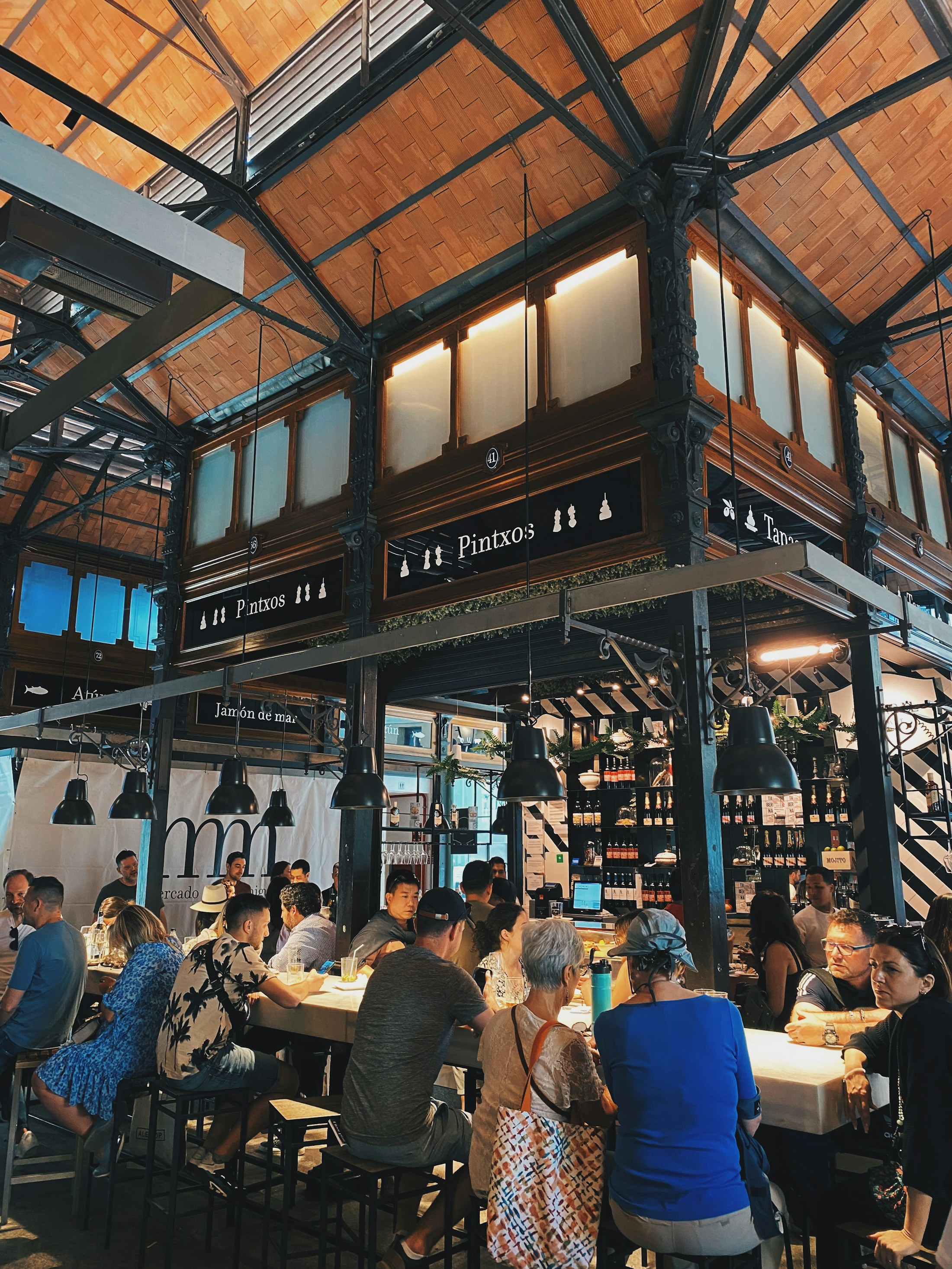
The food reflects that philosophy. Jersey has always been underrated because people outside the state think everything revolves around New York. They don't know about the diners that somehow serve breakfast better than anyone else at two in the morning, or the Portuguese spots in Newark, or the Dominican kitchens in Perth Amboy, or the pizza debates that can end friendships. Madrid approaches food with the same confidence. Nobody is trying to reinvent olives or jamón or croquetas. They're just trying to make them right. When you've spent enough time around creatives, you realize restraint is harder than excess.
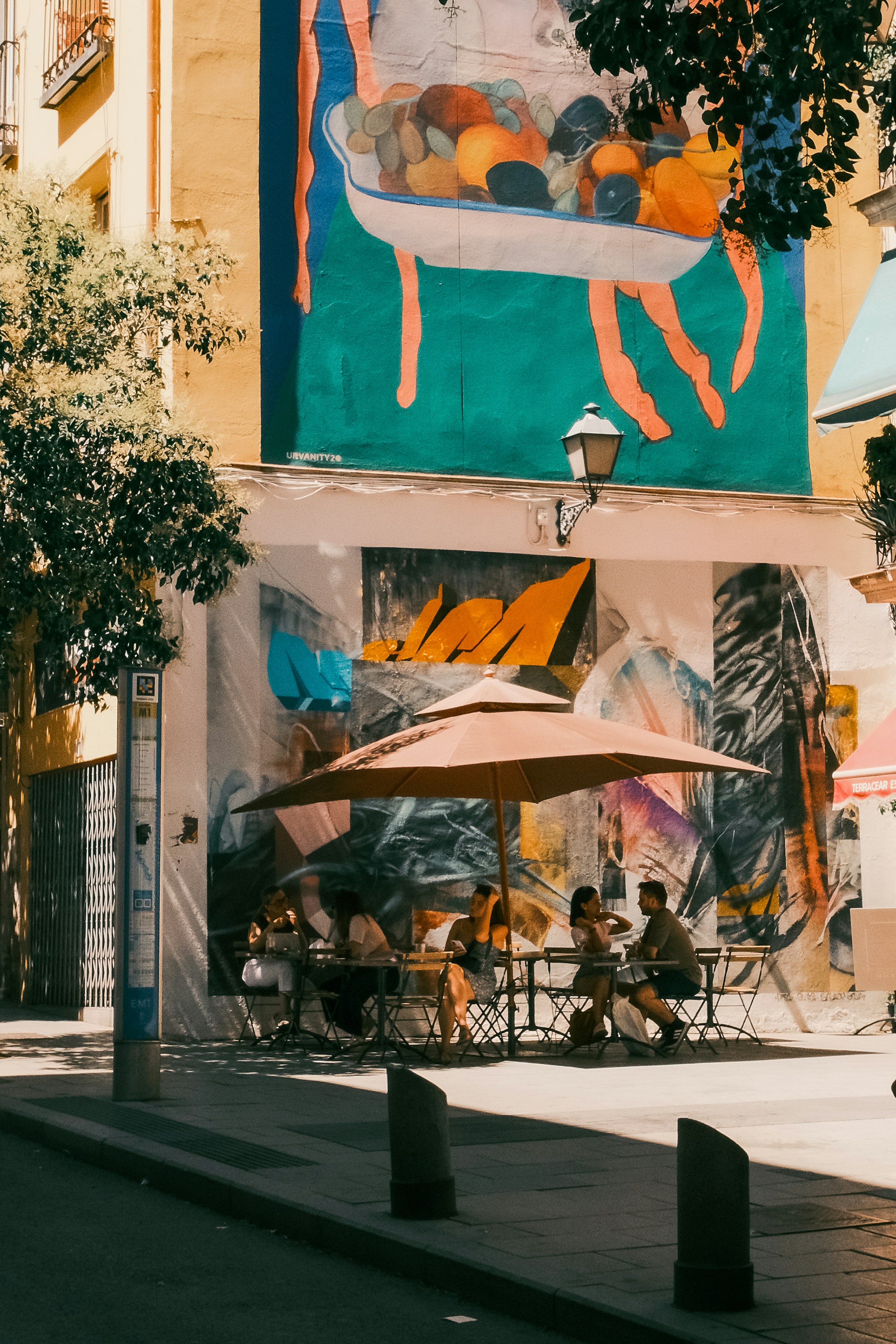
What surprised me most wasn't how different Madrid felt from home. It was how often it reminded me of home. Not literally. Jersey doesn't have royal palaces or centuries-old plazas. But both places have people who understand neighborhood loyalty. They understand meeting friends without scheduling three weeks in advance. They understand that the city belongs as much to the people sitting outside talking as it does to the tourists taking pictures. That's a healthier relationship with public space than we've managed in much of America.
Travel has a way of exposing the habits you didn't know you had. In Madrid I caught myself walking too fast, checking my phone too often, treating every hour like it needed measurable productivity. After a few days the city quietly corrected me. Sit longer. Finish the coffee. Watch people. Let an afternoon stay an afternoon instead of turning it into a checklist. That doesn't mean abandoning ambition. It means remembering why you wanted success in the first place.
I've always said that I don't make music about things I haven't lived. Every record starts with something real because authenticity survives trends. Madrid reminded me that cities work the same way. The places people remember aren't necessarily the loudest or the richest. They're the ones comfortable enough to be themselves.
Maybe that's why Madrid resonated with me. Jersey spends its whole life existing next to bigger headlines, yet the people who know it rarely want to leave for good. Madrid lives in Barcelona's shadow in the travel brochures, but once you're there, you realize it doesn't need anyone else's approval. I understand that mentality. Growing up in New Jersey teaches you not to chase validation. You build your own lane, keep creating, and let the work speak. That's a language both Jersey and Madrid understand fluently.