Featured photo: A red-and-white checkerboard pop-up shop turns retail into a visually immersive setting. Photo by Raymond Yeung / Unsplash.
For the better part of two decades, the project of retail has been a process of migration: the slow, relentless movement of the storefront from the street corner to the pixelated grid of a screen. We've spent years training ourselves to look down, filtering our desires through the narrow aperture of a smartphone interface.
Spatial computing proposes a reversal of this vector. Instead of dragging the customer into a distinct, isolated digital silo, augmented and mixed-reality systems seek to re-integrate information, narrative, and utility back into the physical world. This is not merely a change in hardware; it is a fundamental shift in how we orient ourselves within commerce. Shopping has never been a sterile exchange. It is a sensory act of orientation, comparison, and imagination—an attempt to physically stand inside a brand’s point of view.
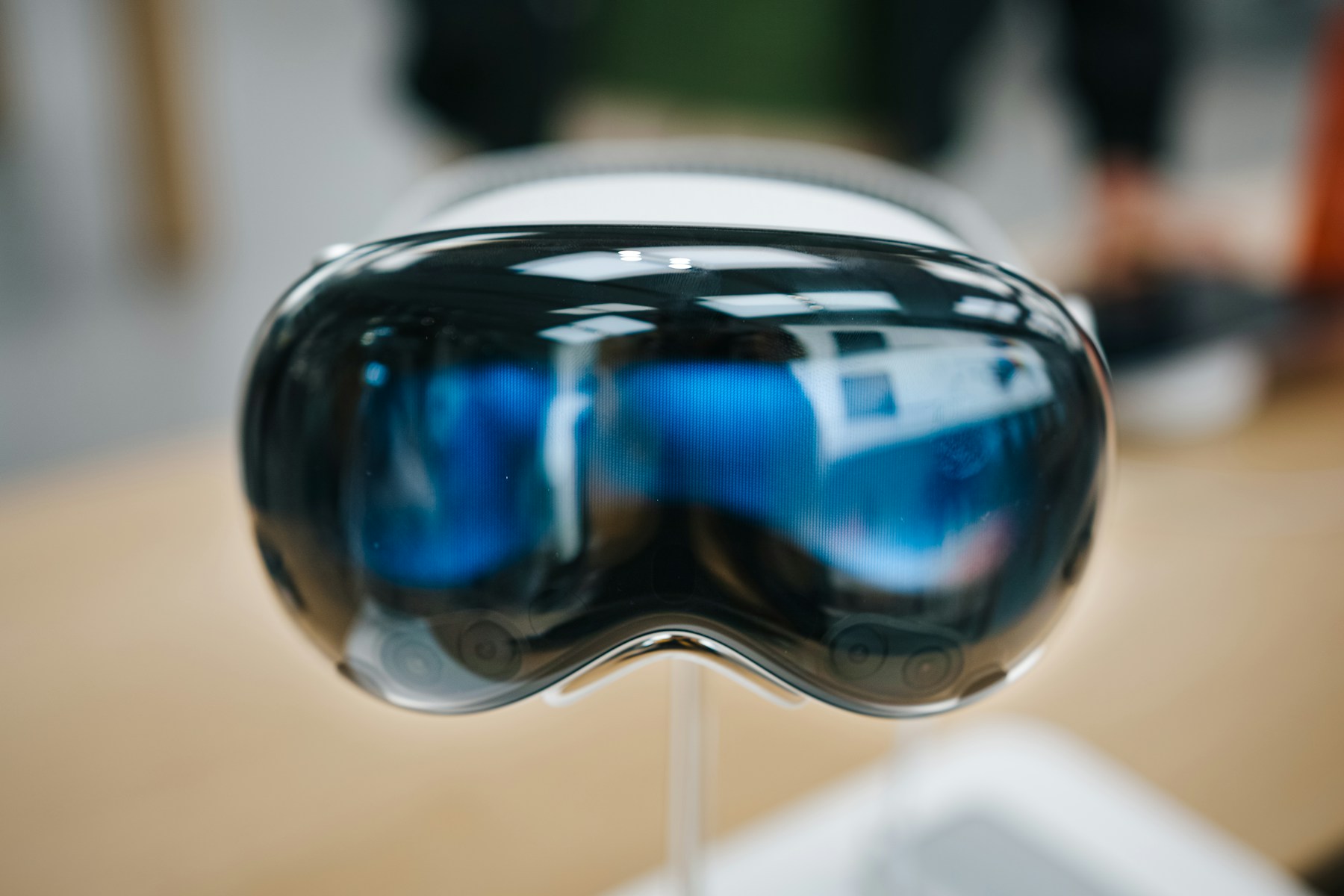
The Interface as Context
Our current digital habits are defined by the screen as a destination. Spatial interfaces, by contrast, suggest a different geography: the interface becomes a layer, not a place. When information is tied to the physical object, room, or street where it is actually useful, the dynamic of interaction changes.
Consider the potential for material clarity. A product might reveal its own construction, a piece of furniture can be rendered at true scale in your living room, or a garment might carry an interactive history visible only when prompted. This is contextual computing. The system is no longer a blank slate; it understands the specific coordinates of the experience. It does not force you to search for the answer because the answer is already situated beside the question.
Editorial Space
Physical retail holds a structural advantage that e-commerce has historically struggled to replicate: the intentional sequencing of space. A well-designed shop guides a visitor through a narrative rhythm—the visual tension of a display, the tactile discovery of a material, the ambient influence of a soundtrack. It allows for the serendipity of finding something you never searched for.
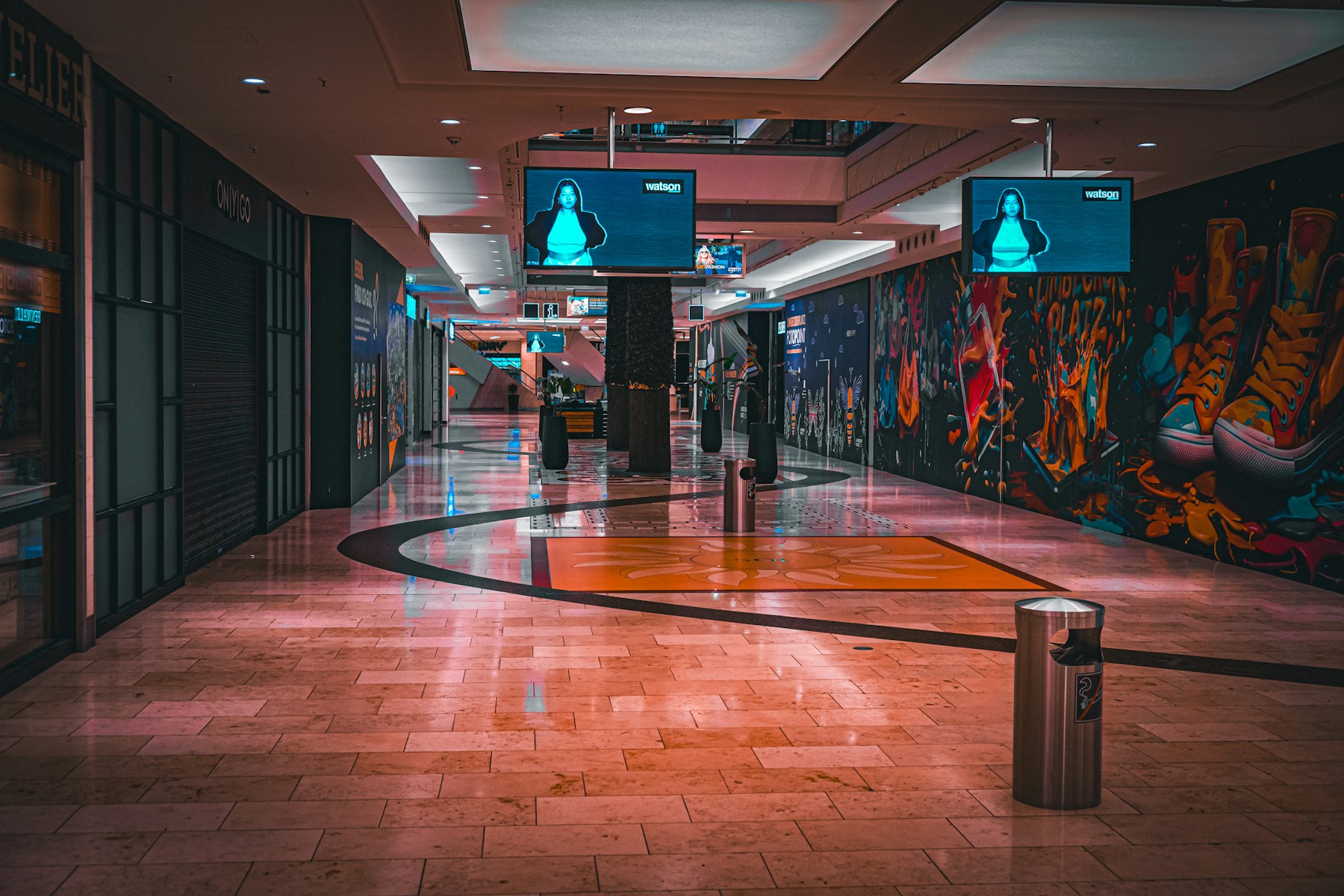
Spatial media can serve as an editorial tool to sharpen this experience, provided it is deployed with deep restraint. A designer could use an augmented layer to reveal the prototype sketches beside a finished piece. A record shop might allow a user to trigger a specific audio history or archival note simply by picking up a vinyl sleeve. The goal should be to deepen the resonance of the room, not to turn the store into an over-caffeinated light show. When the technology becomes the room's entire personality, the humanity of the space is lost.
The Case for Invisibility
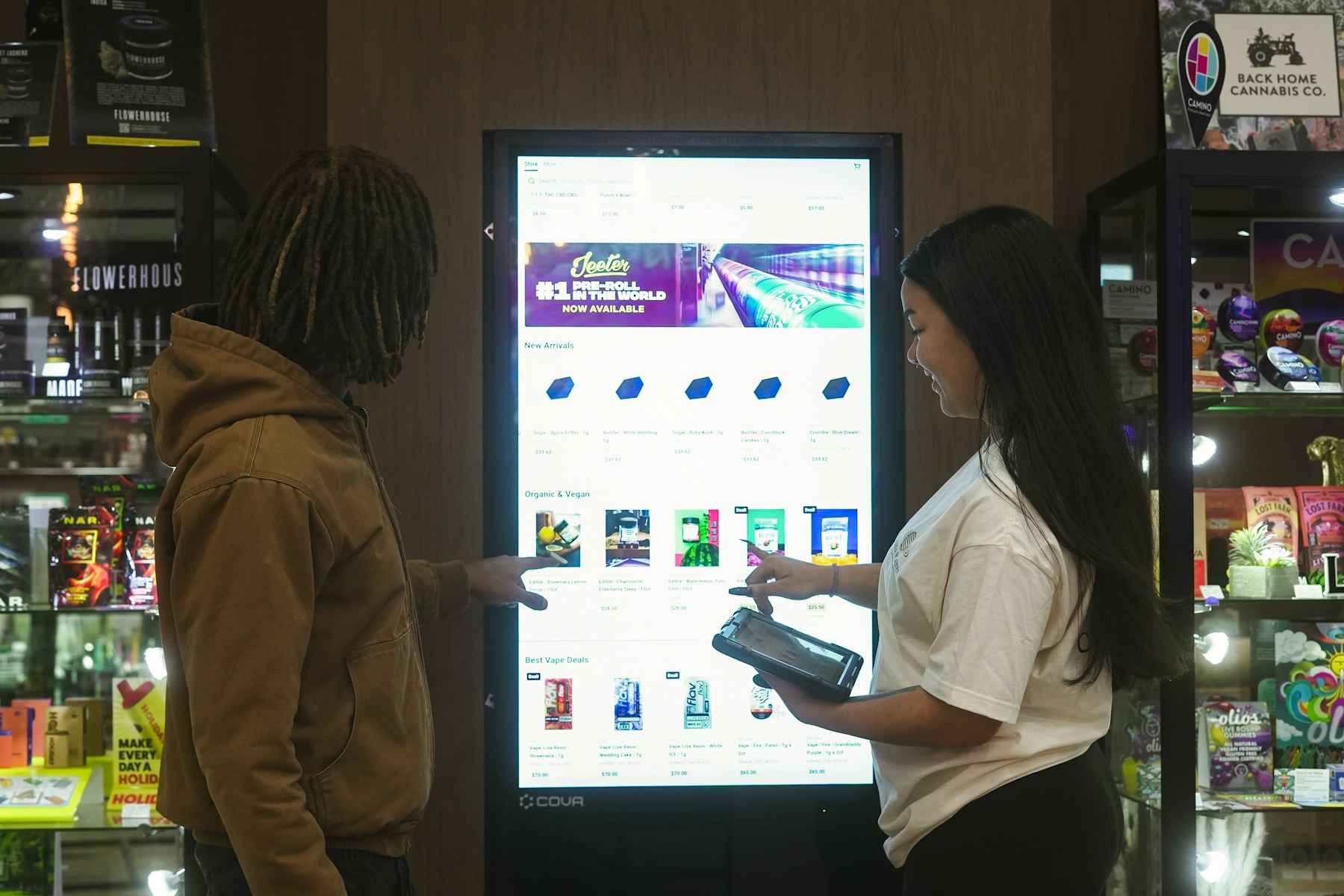
We're currently in a cycle of heavy-handed demonstration. Early spatial experiences often feel like loud, theatrical proofs-of-concept because the novelty itself is being sold as the product. This phase will inevitably collapse under its own weight. The useful future of the medium is far less performative: interfaces will only appear when summoned, gestures will become intuitive, and the friction of entry will be near zero. Crucially, the most successful systems will be those that remain fully functional if the visitor chooses to ignore the digital layer entirely. Innovation should not be a tax on the customer’s time.
Privacy as a Design Primitive
We can't ignore the friction inherent in the data requirements of these systems. Spatial computing requires a granular understanding of rooms, human anatomy, gaze, and location. This is not merely a technical hurdle; it is a profound design responsibility. Trust will become the most valuable component of the interface. If a store demands the surrender of intimate environmental data simply to push a more accurate recommendation, they have already failed the design test. Transparency, granular control, and opt-in architectures are not optional features—they are the foundational requirements for any sustainable system.
Worldbuilding and the Independent Brand
I find this technology most compelling when it acts as a bridge, allowing physical and digital identity to function as a singular, cohesive system. When a product serves as a key to an archive, or a package unlocks a temporary, immersive experience, the store becomes a dynamic participant in the life of the object. This affords smaller, independent brands the ability to build massive, expansive worlds without the overhead of massive, permanent real estate.
Ultimately, the future of the storefront will not be determined by which company manages to fit the most augmented elements into a single frame. It will be won by the creators who understand the nuance of human attention—those who know exactly when digital information makes a physical experience more meaningful, and when the most intelligent design decision is to step back and leave the object alone.