Featured photo: A vintage storefront exhibit gives a niche collection a distinct identity. Photo by jason hu.
For decades, the museum sector measured success through the lens of institutional gravity: square footage, the sheer volume of the collection, and the fame of the artists represented. You entered a building because the institution had, in its administrative wisdom, declared the contents within to be the definitive cultural canon. You were there to be educated by an authority that spoke from on high.
But a quiet, resilient shift is occurring. Across our cities, smaller archives, exhibition spaces, and independent museums are gaining traction by rejecting the premise of broad appeal. These boutique museums don't attempt to compete with the giants by shrinking the formula; they win by leaning into a singular, unwavering obsession.
Specificity as a Cultural Anchor
In a world of constant content noise, the boutique museum acts as a filter. By narrowing the scope—whether to the history of a single musical movement, the evolution of local transit, or the archives of a specific design subculture—these institutions prevent vital material from being swallowed by the indiscriminate storage of larger collections. When a subject is treated with radical depth, the niche ceases to be narrow and becomes a comprehensive, coherent world.
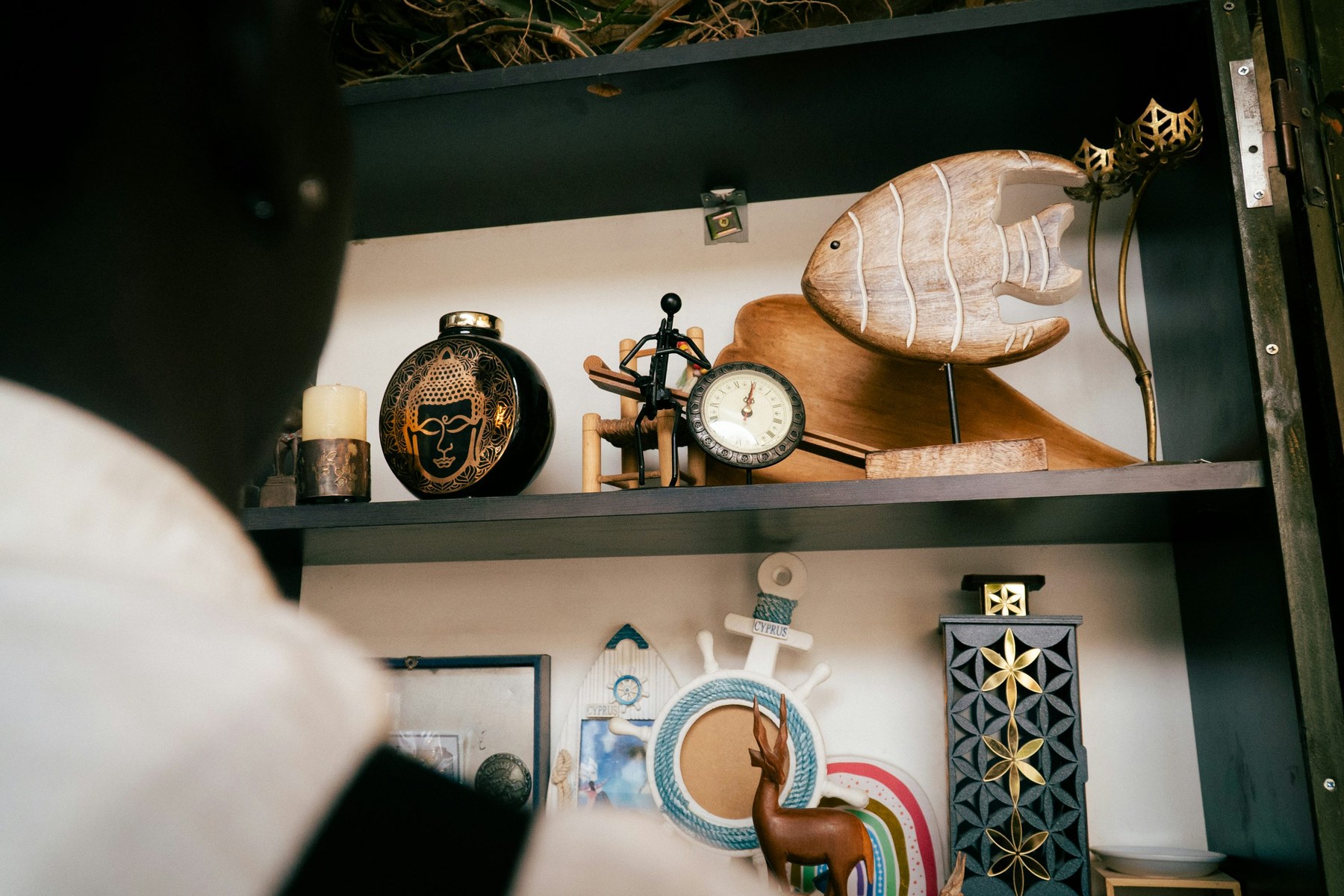
The value here isn't just in the artifacts; it's in the editorial work of gathering what would otherwise be lost to the periphery. By focusing on the granular, these spaces do the heavy lifting of cultural preservation that broad-brush institutions often overlook.
The Density of Curiosity
Large institutions are structurally obligated to cater to the widest possible audience, which often requires a flattening of the narrative. Boutique spaces, by contrast, assume their visitors arrive with existing curiosity. Because they don't have to apologize for their focus, they can move slower, linger on the margins, and elevate the obscure. A single, ordinary household object or a faded prototype suddenly gains immense weight because the museum has the space and the conviction to explain why it matters.
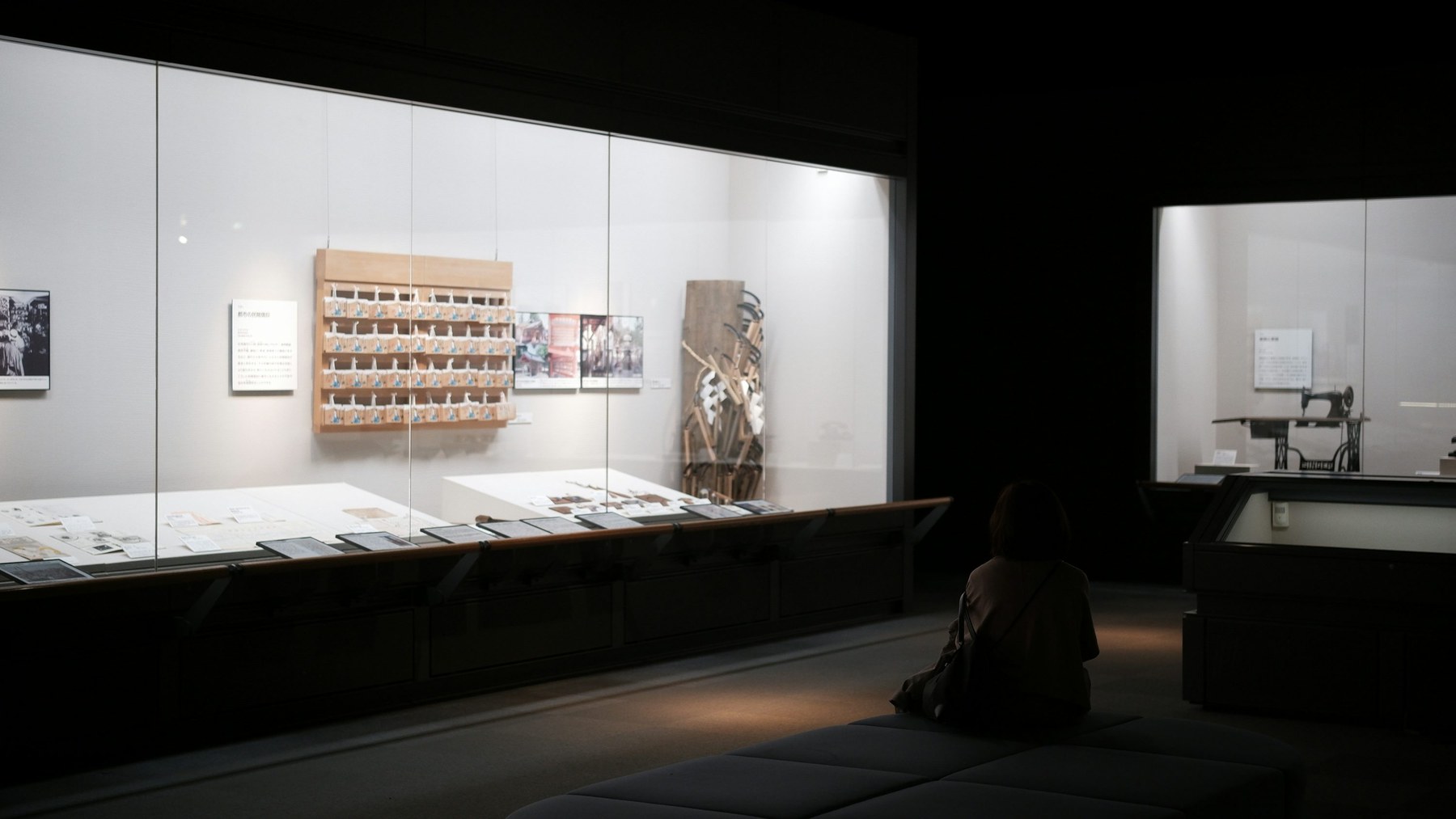
This creates a distinct type of engagement. The enthusiast feels recognized, while the uninitiated visitor is granted a rare, intense look into a specialized logic. The result is a richer, more human experience than the standard museum tour.
Stewards, Not Just Authorities
The boutique model blurs the traditional line between the museum and the community it serves. These spaces often function as living archives, heavily reliant on the collectors, local practitioners, and devotees who define the subject matter. In this ecosystem, the visitor is often a contributor—donating an artifact, correcting a caption, or participating in a program that feels like a shared act of stewardship rather than a passive transaction.
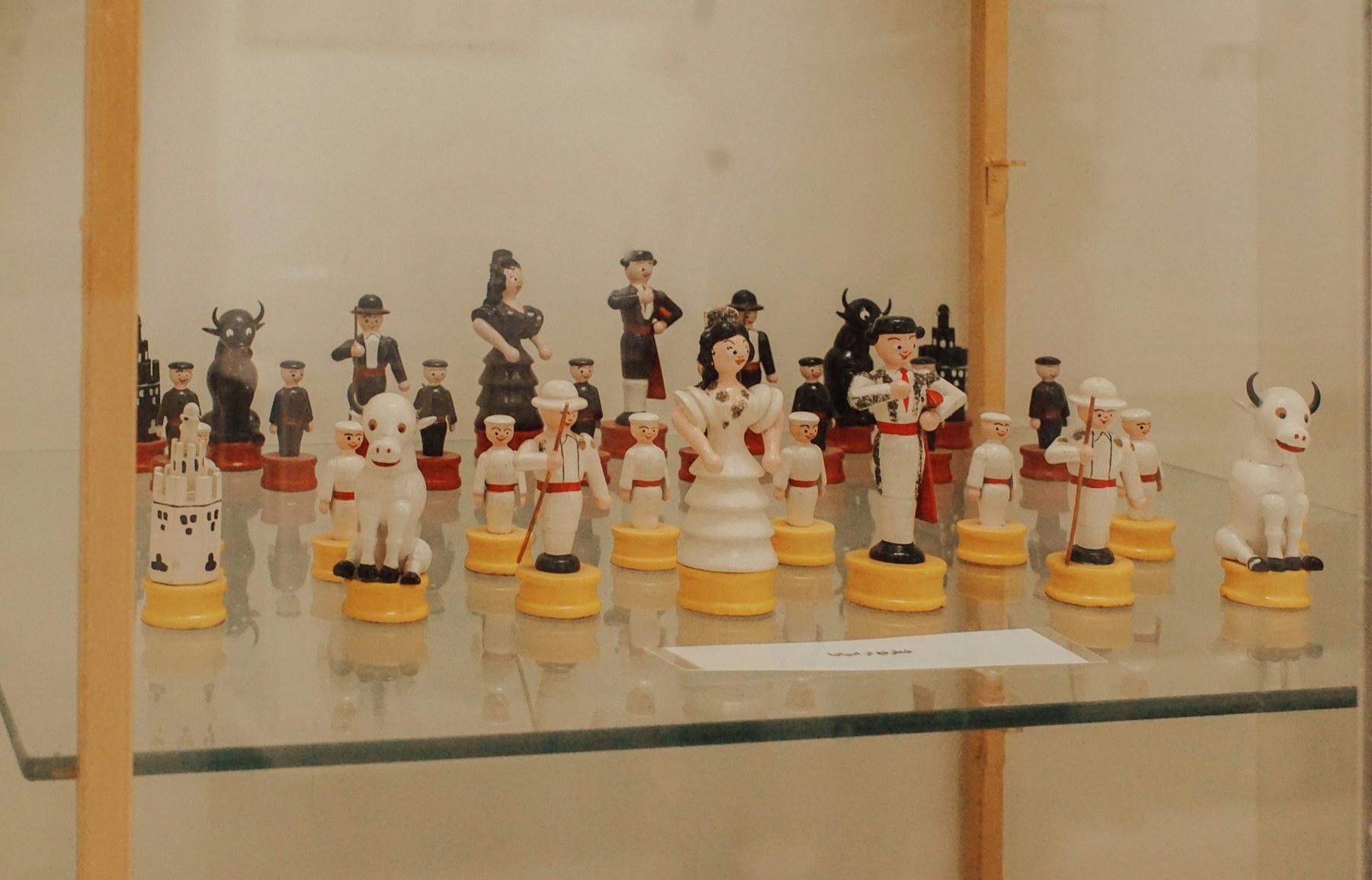
This loop of feedback fundamentally changes the museum from a top-down authority into a community asset. It creates a space where history is kept alive by the very people it belongs to.
The Sustainability of the Niche
Digital infrastructure has fundamentally altered the economics of these small institutions. A museum in a quiet neighborhood is no longer limited by its physical geography; it can now anchor a global network of people who share the same specialized interest. By using digital tools to amplify the archive rather than distract from it, these spaces find new modes of sustainability.
However, this requires discipline. The digital layer must serve the collection, offering deeper access and context, rather than collapsing the museum into a stream of performative content. The physical archive must remain the heartbeat of the operation.
Cities are made interesting by places that refuse to be generic. When an institution protects a story too specific for a generalist museum but too important to be forgotten, it becomes a landmark. The future of our cultural infrastructure doesn't necessarily depend on larger institutions; in many cases, it depends on those brave enough to get smaller, dig deeper, and prove that a room full of carefully preserved evidence is enough to hold a world.